In much of inner London, yes, even outside the flood zones. The national rule treats a basement like any other development: an assessment is needed in Flood Zones 2 and 3, and in Flood Zone 1 where the land is at risk from any source or has critical drainage problems. But Kensington and Chelsea requires a flood risk assessment for every basement whatever the flood risk, Camden expects one for basement extensions in its flood risk areas, and Wandsworth sets out which basement uses it allows in each flood zone. Our basement flood risk assessments are from £570, written against your council's own basement rules.
On this page
The reason is simple: a basement is the first place water goes.
Why are basements treated differently from extensions?
Three reasons, each written into policy.
People can be trapped. The NPPF classes basement dwellings as highly vulnerable, the same class as caravans for permanent living and emergency command centres, while ordinary houses are only more vulnerable (NPPF, August 2026, Annex F, table 2). Its compatibility table says highly vulnerable development in Flood Zone 3a should be refused. Wandsworth's plan puts it bluntly: basements in flood affected areas are a particularly high risk to life because they may be subject to very rapid inundation (Wandsworth Local Plan, Policy LP12).
Sewers back up into them. Camden's guidance explains that sewers are designed to surcharge to just below cover level, so basement and other subterranean development is at risk of flooding with sewage (Camden Planning Guidance: Basements, 2021). Kensington and Chelsea adds that a gravity connection gives the surcharging sewer a new low point to discharge to (Local Plan 2024, footnote to paragraph 6.111). This happens in Flood Zone 1 too, which is why the river flood map is the wrong test.
Groundwater pushes in from the sides. An extension sits on the ground; a basement sits in it. The Environment Agency's standing advice points to British Standard 8102:2022 for keeping water in the surrounding ground out of below-ground structures such as basements (standing advice). Camden's guidance adds that in its higher ground, or where streams once flowed, a basement can divert groundwater and cause it to rise and flood upstream, and it sends applicants through a screening flowchart to decide whether a hydrogeological assessment is needed.
That is why our householder flood risk assessment and our basement assessment are separate documents.
What do London councils require?
Kensington and Chelsea. Its 2024 Local Plan says basements are considered highly vulnerable to flooding, so a flood risk assessment is required for any basement development, regardless of the risk of flooding (paragraph 4.94, Policy GB11 D3). It does not permit self-contained basement dwellings in Flood Zone 3 or its Critical Drainage Areas, nor sleeping accommodation below ground floor in Flood Zone 3 (GB11 B and C). It wants a positive pumped device against sewer flooding and says fitting only a non-return valve is not acceptable (paragraph 6.111). The borough worked with Thames Water on the Counters Creek scheme from 2008 to 2020, and other basements still flooded with sewage in the July 2021 storm (paragraph 4.107). See Kensington and Chelsea basements.
Camden. Nowhere in Camden is flood prone from rivers or the sea, but its guidance names West Hampstead, Hampstead Town and South Hampstead as at higher risk of surface water flooding, with some risk in Highgate and Gospel Oak. Basement extensions in its flood risk areas are expected to include a flood risk assessment; it will not allow habitable rooms and other sensitive uses for self-contained basement flats in areas at risk of flooding; and it will ensure every basement is protected by a positive pumped device. For surface flow and flooding, the basement impact assessment is to be done by a hydrologist or a civil engineer specialising in flood risk. See Camden basements.
Wandsworth. Its Table 15.2 sets basement rules zone by zone. In Flood Zone 3b, no basements, basement extensions, self-contained units or conversions of basements to a higher vulnerability use. In tidal Flood Zone 3a areas of extreme, significant or moderate breach hazard, new basements are limited to less vulnerable or water compatible uses, with no basement bedrooms and no self-contained basements. In lower breach hazard areas of 3a, and in tidal Flood Zone 2, residential basements may be allowed if not self-contained and the exception test is passed where it applies, with internal stairs and safe access thresholds. In Flood Zone 1, basements in surface water risk areas need mitigation such as raised thresholds or SuDS. See Wandsworth basements.
Lambeth. Its validation list asks every basement application, new or extended, for a basement impact assessment that considers flooding, groundwater, surface run-off and basement flooding (Local Information Requirements 2024, item 14).
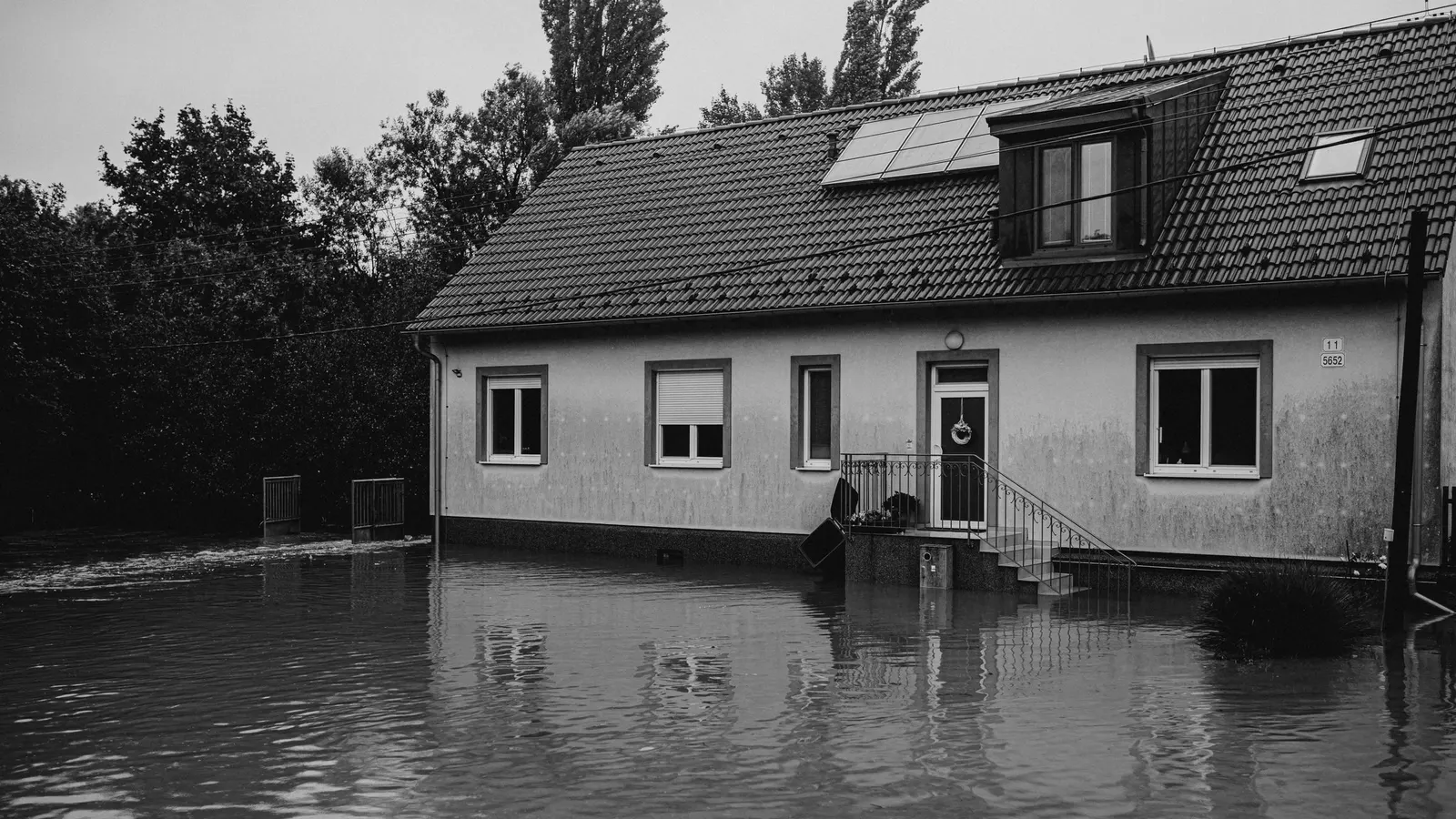
What does a basement flood risk assessment cover?
Every route water could take into the basement, and what the council allows as a result:
- the flood zone and, near the Thames, the breach hazard band in the council's strategic flood risk assessment;
- surface water and groundwater risk, from the council's own maps;
- sewer flooding, and the pumped protection the council asks for;
- the use the council will accept, from bedrooms to storage, in your zone;
- internal access to a higher floor, which the standing advice requires for basement rooms in vulnerable development, raised lightwell thresholds and flood-resistant finishes.
The measures are drawn on the basement plans and sections, so the officer sees the same figures in both. Where a self-contained flat is proposed in a higher-risk area, we tell you early that the council's own table is likely to refuse it.
Is it the same as a basement impact assessment?
No. A basement impact assessment is a chartered engineer's report on ground movement, groundwater flow, structural stability and the neighbouring buildings, and a qualified engineer or hydrologist provides it; we do not. The flood risk assessment covers flooding. Most London basement applications need both, plus the planning drawings: our basement planning drawings and basement flood risk assessment are written together, and the planning reports hub lists the rest. If the basement also adds a new flat, the sequential test post explains the extra flood test that can apply.
Frequently asked questions
Does a basement in Flood Zone 1 need a flood risk assessment? It can. Kensington and Chelsea requires one for every basement; Camden expects one in its surface water flood risk areas; elsewhere the national triggers apply, including land shown at risk from any source.
Can I have a bedroom in a basement in a London flood zone? Often not. Kensington and Chelsea does not permit sleeping accommodation below ground floor in Flood Zone 3, and Wandsworth does not permit basement bedrooms in its higher breach hazard areas of tidal Flood Zone 3a.
Is a non-return valve enough against sewer flooding? Not in Kensington and Chelsea, which says fitting only a non-return valve is not acceptable. Camden also requires a positive pumped device for every basement.
Do I need this for converting an existing cellar? If the conversion needs planning permission, such as new lightwells or lowering the floor, the council's basement rules apply. Wandsworth's table also covers conversions of existing basements to more vulnerable uses.