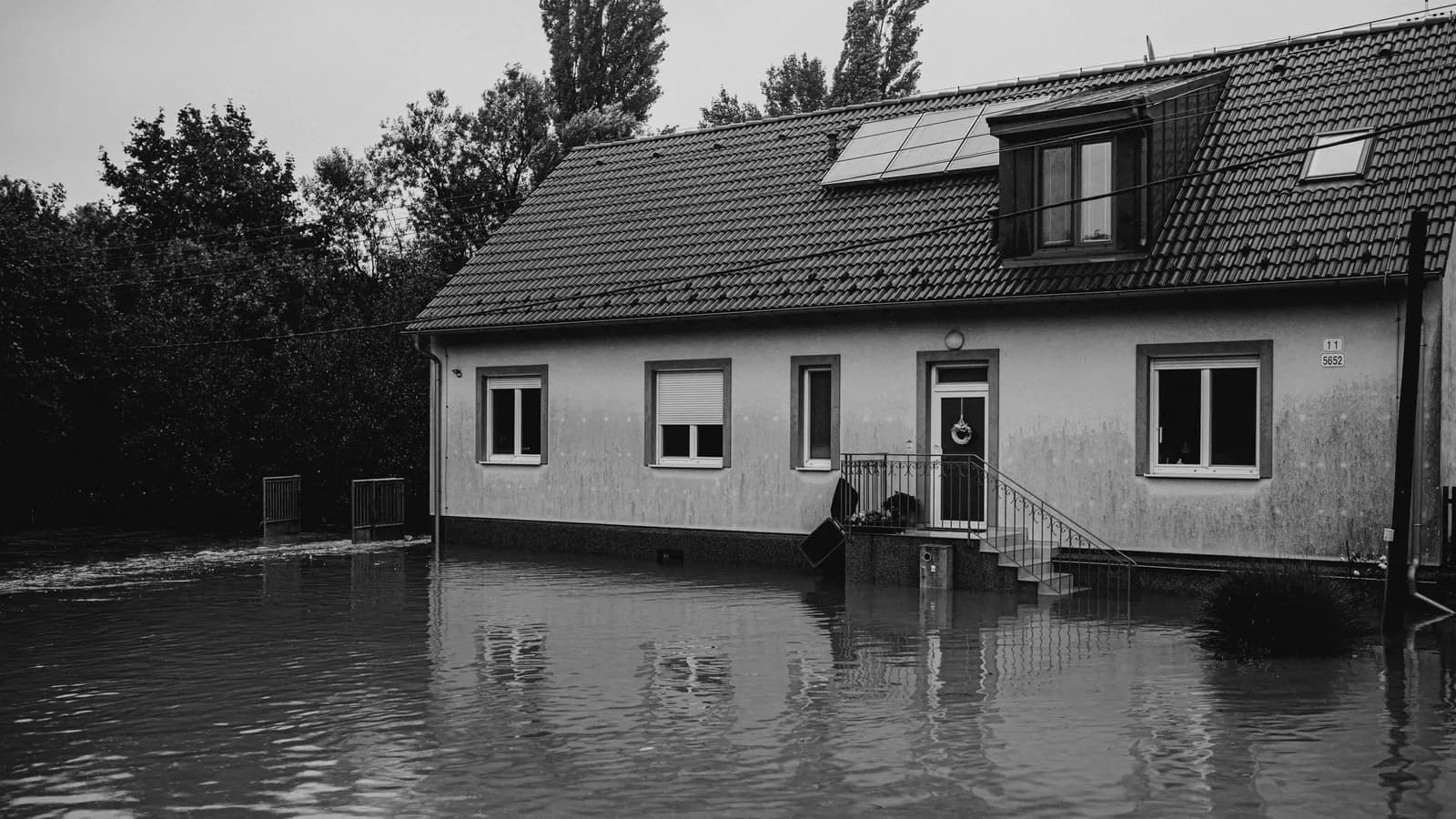
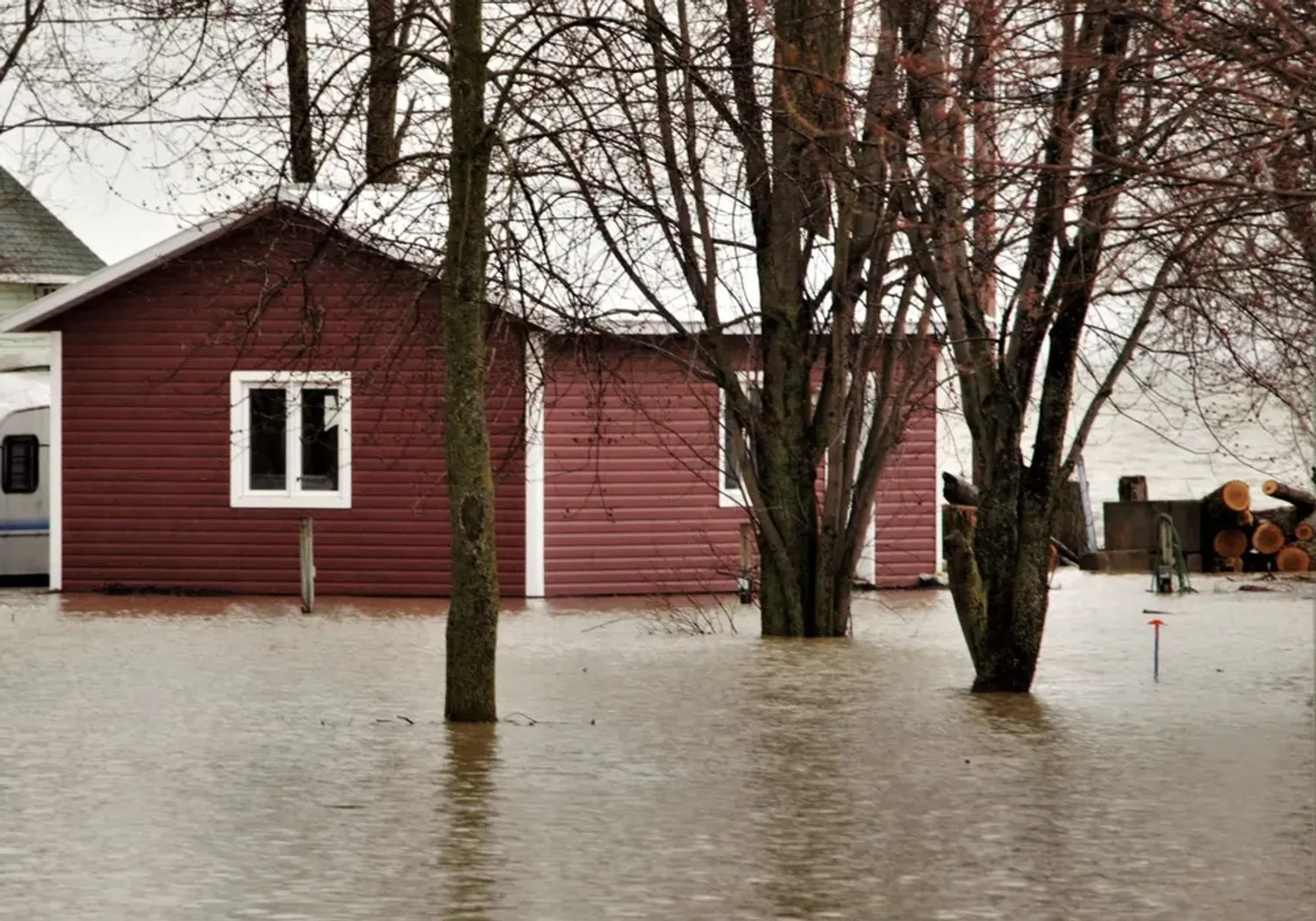
Not for a house extension, and not for most changes of use. Policy F5 of the August 2026 National Planning Policy Framework exempts householder development, small non-residential extensions under 250 sq m, and changes of use other than to caravan, camping, chalet, mobile home or park home sites. You do need one for new build, such as a house in a back garden, a block of flats or the redevelopment of a site, on land at risk of flooding now or in the future from any source, unless the site is allocated in the local plan or your flood risk assessment shows the built development stays out of the area at risk. Our sequential tests are from £570, and we check the exemptions first.
On this page
Several London councils have also dealt with the test for large parts of their area, which can save the cost altogether.
What is the sequential test?
A search for a drier site. The NPPF says its aim is to steer new development to the areas least at risk of flooding from any source, and that development should not go on land at risk where alternative sites, appropriate for it, are reasonably available at lower risk (NPPF, August 2026, policy F5). The evidence comes from the council's strategic flood risk assessment and the Environment Agency's flood map for planning.
It is a planning test, not an engineering one. It does not ask whether your building can be made safe; that is the flood risk assessment's job. It asks whether the homes needed to go there at all.
Which developments are exempt?
Policy F5(2) lists them. The test is not needed for:
- sites allocated in the development plan that were sequentially tested when the plan was prepared;
- sites where a site-specific flood risk assessment clearly shows that no built development, access or escape route would sit on land at risk from any source, now or in future;
- sites at risk of surface water flooding only, where the layout, design and mitigation keep people safe for the lifetime of the development without increasing flood risk elsewhere;
- householder development, small non-residential extensions under 250 sq m, and changes of use other than to caravan, camping or chalet sites or mobile and park homes.
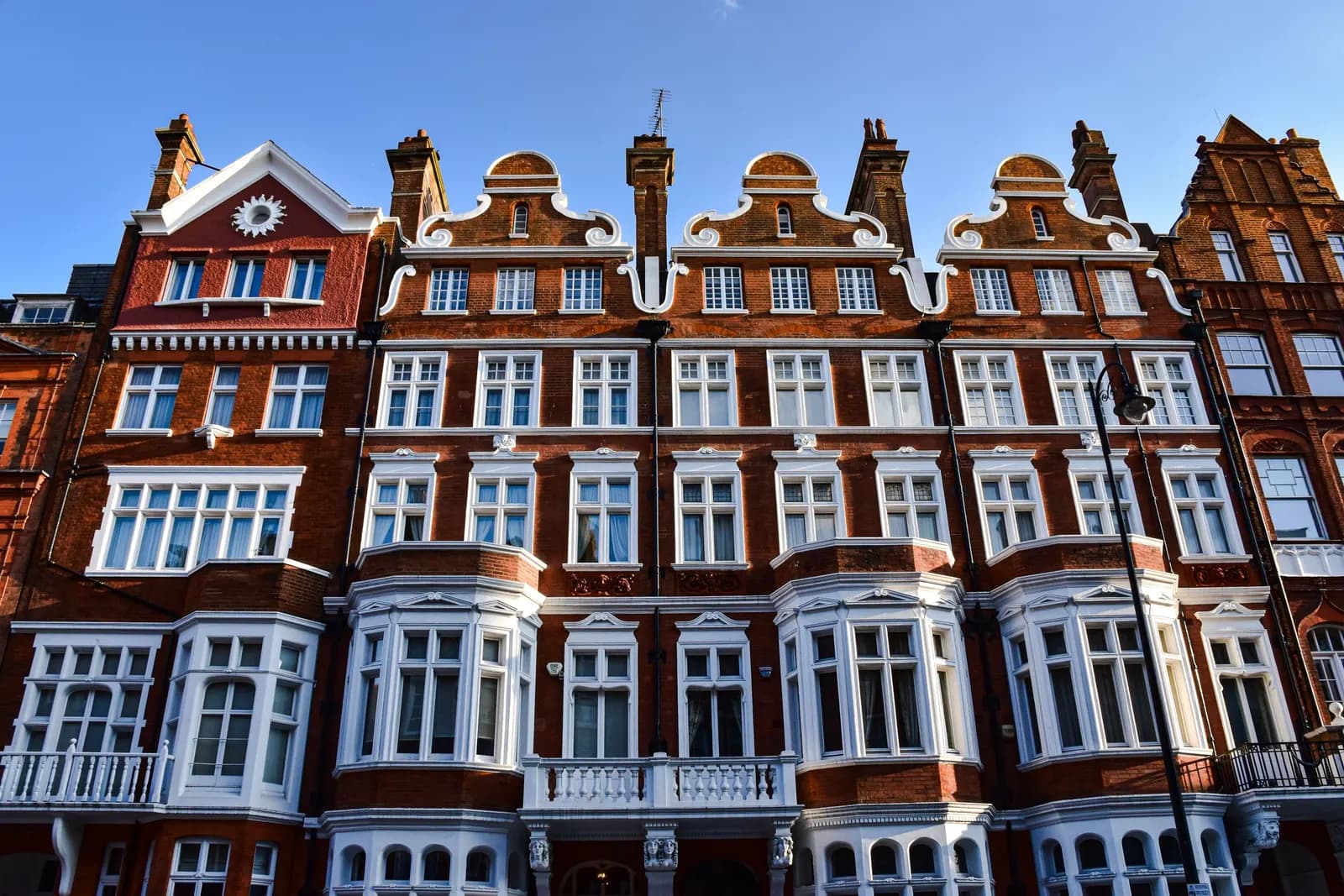
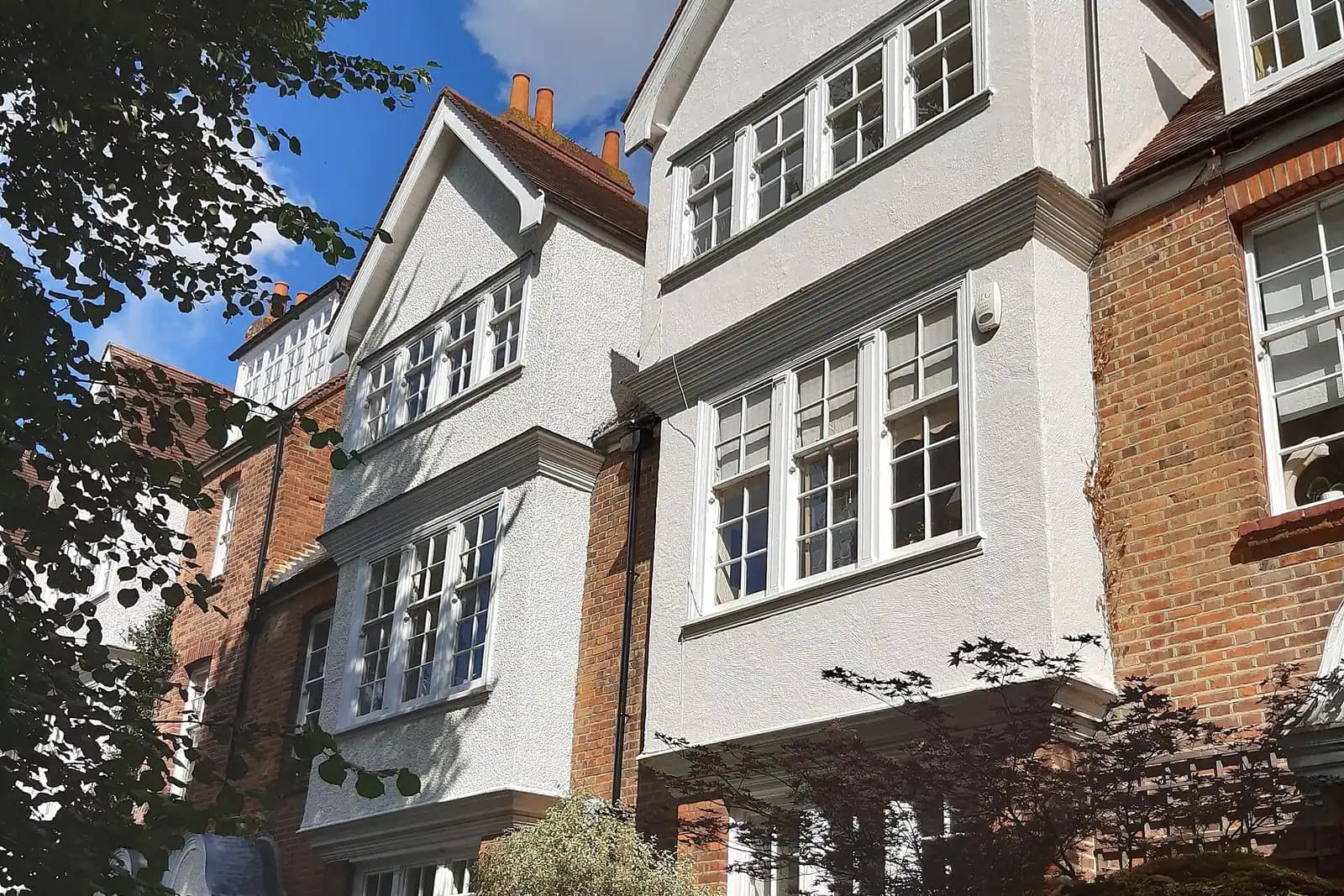
That last line matters in London, because so much of the city's new housing comes from conversions. Using a building previously used as a single dwellinghouse as two or more separate dwellings is a material change of use under section 55(3)(a) of the Town and Country Planning Act 1990. A Victorian house split into flats with no new building is therefore exempt from the sequential test. Add a new rear block or a new storey, and that new build may not be.
The planning practice guidance was last updated in September 2025 and still cross-refers to the December 2024 framework's paragraph numbers (planning practice guidance). Where the two differ, the August 2026 policy text is the one to quote.
Is there a trap in a flat conversion?
Yes: the basement. The NPPF classes basement dwellings as highly vulnerable, and its compatibility table says highly vulnerable development in Flood Zone 3a should be refused, and in Flood Zone 2 needs the exception test (NPPF, Annex F, tables 2 and 3). Policy F6 says proposals in Flood Zones 2 and 3 should be refused where the use is incompatible with the flood zone, and that part does not depend on the sequential test. So a conversion that is exempt from the sequential test can still fail on a self-contained basement flat in a riverside street. Our post on basement flood risk sets out the local rules that sit on top.
What is the exception test, and when does it follow?
It is a second test for some uses in some zones, and it comes after the sequential test is passed. Under the 2026 policy F6 the development must provide wider sustainability benefits to the community that outweigh the flood risk, be safe for its lifetime, and not increase flood risk elsewhere, reducing it overall where possible. That is three criteria, where the old framework had two.
For ordinary new homes, which the NPPF classes as more vulnerable, the table needs no exception test in Flood Zone 2 but requires one in Flood Zone 3a, and says homes in Flood Zone 3b, the functional floodplain, should be refused. Policy F6 also says the exception test is not needed where the sequential test is not required. We quote an exception test separately when a scheme needs one.
How do London councils apply it?
Each in its own way, which is why a national answer is not enough.
Wandsworth. Its 2023 Local Plan says future development in Flood Zones 2 and 3a will only be considered if the sequential test has been applied, with the whole borough as the default search area. It then treats the test as already passed for sites in its named area strategy areas, including Balham, Clapham Junction, Putney, Tooting, Wandsworth Town, the Wandle Valley and Wandsworth's Riverside, with a 400m buffer around the town centre ones; for Local Plan site allocations; for the redevelopment of an existing single house; and for minor development, conversions and changes of use (Wandsworth Local Plan, Policy LP12). A replacement house on a Putney riverside plot may need no separate test at all. See Wandsworth flood risk.
Lambeth. Its 2024 validation list asks for sequential testing on sites at high or medium risk of surface water flooding, as well as in Flood Zones 2, 3a and 3b (Local Information Requirements 2024, item 34). That list predates the August 2026 framework, whose surface-water-only exemption may now apply where the design keeps people safe; we raise that with the officer rather than assume it. See Lambeth flood risk.
One point of tension is worth knowing. Wandsworth's default is the whole borough; the 2026 NPPF now says the search area should not be greater than the development's likely catchment, and the planning guidance says that for non-major housing it would not usually be appropriate to search beyond the specific area of a town. Our reading is that a small scheme can argue for a tighter area than the borough default; the council decides.
What happens if the test fails?
Then the council should not approve the homes on that site, because a reasonably available site at lower risk exists. Sites count as reasonably available if their location is suitable (planning practice guidance, paragraph 028). Before writing the full test we tell you how the search is likely to come out, so you do not pay for a document that argues against your own scheme without warning. Our sequential test service and the planning reports hub explain what goes in with it; the difference between a flood risk assessment and a drainage strategy covers the other documents a new-home scheme often needs.
Frequently asked questions
Does a house extension in Flood Zone 3 need a sequential test? No. Householder development is exempt under policy F5 of the August 2026 NPPF. It still needs a flood risk assessment.
Does a new house in my back garden need one? Usually yes, if the garden is at risk of flooding from any source, unless the site is allocated, the council has passed the test for the area, or your flood risk assessment shows the house and its access stay out of the risk area.
Does converting a house into flats need one? Not if it is only a change of use. New building added to the conversion can bring the test back, and a basement flat in Flood Zone 3a should be refused whatever the sequential test says.
Who decides whether the test is passed? The council, using its strategic flood risk assessment and the evidence you submit.