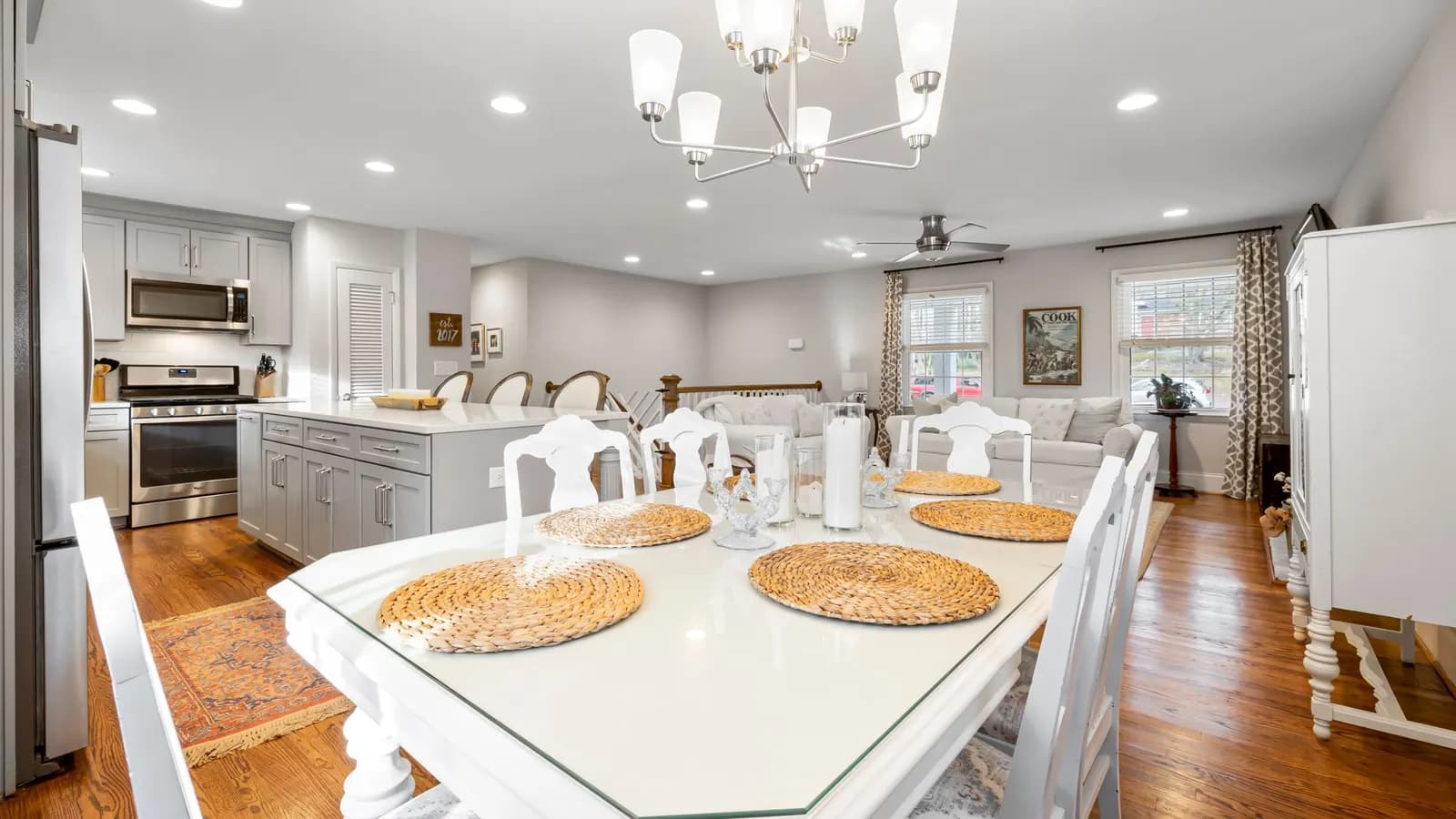
An open-plan kitchen, dining table and sitting area under a chandelier, with grey units and a wood floor
Photo: Curtis Adams / Pexels

SuDS statement · London & home counties

SuDS statement, from £295

A sustainable drainage statement for an extension or a single new home: the new roof and paved areas, where their rainwater goes, and how the scheme follows the London Plan drainage hierarchy. Written to your council's list. A published fee.

Our feefrom £295
Council feeNone

Ask for your fixed fee in writing

Name and email are required. Everything else helps us price it, but is optional.

Your enquiry goes to us and nowhere else. It is never syndicated or sold. See our privacy notice.

Photo: Curtis Adams / Pexels

Sustainable drainage (SuDS) statement

from £295

from £295

No council fee for this service. A fixed fee, confirmed in writing before any work starts.

Get my fixed fee

What you get

  • A check of whether your council asks for a SuDS statement with this application
  • The roof and hard surface added, measured from the drawings
  • The London Plan drainage hierarchy applied to your house, step by step
  • Proposed features, such as water butts, permeable paving or a green roof, marked on the plan
  • A statement formatted to go straight into your application

A SuDS statement costs from £295 at Fixed Fee Plans. It is the short drainage document for an extension or a single new home: how much roof and hard surface the scheme adds, where that rainwater will go, and how the design follows the London Plan's drainage hierarchy. Where you also need a flood risk assessment, we write the two together.

For a block of new homes, the fuller drainage strategy is the right document.

Why does a council want a SuDS statement for an extension?

Because in much of London the rain from your new roof goes into the same pipe as the toilets. Hammersmith and Fulham says much of the borough is at risk from sewer and surface water flooding for exactly that reason: foul and surface water drain into a combined sewer, which overwhelms in heavy downpours. Every extension and patio adds to the load, so councils ask small schemes to keep some water on site.

The London Plan backs them. Policy SI 13 says proposals for impermeable surfacing should normally be resisted unless they are unavoidable, including on small sites, and Southwark asks development that must provide sustainable drainage not to increase the area of non-permeable surfaces.

How the sustainable drainage (suds) statement service runs: 1. Check; 2. Areas; 3. Hierarchy; 4. Write1CheckWe confirm your council asks for a SuDSstatement and in what form.2AreasWe measure the new roof and paving fromthe drawings.3HierarchyWe test each drainage option for yourplot.4WriteWe set out the features proposed andmark them on the plan.
How the sustainable drainage (suds) statement service runs

What goes into a SuDS statement?

The areas, the hierarchy and the features. We measure the new roof and paving from the drawings, then work down the London Plan's six-step drainage hierarchy for your plot: use the water, let it soak away, hold it in green features, send it to a watercourse, a surface water sewer, and only last the combined sewer. For a house that usually means water butts, a permeable drive or patio, a rain garden, or a green roof on a flat-roofed extension.
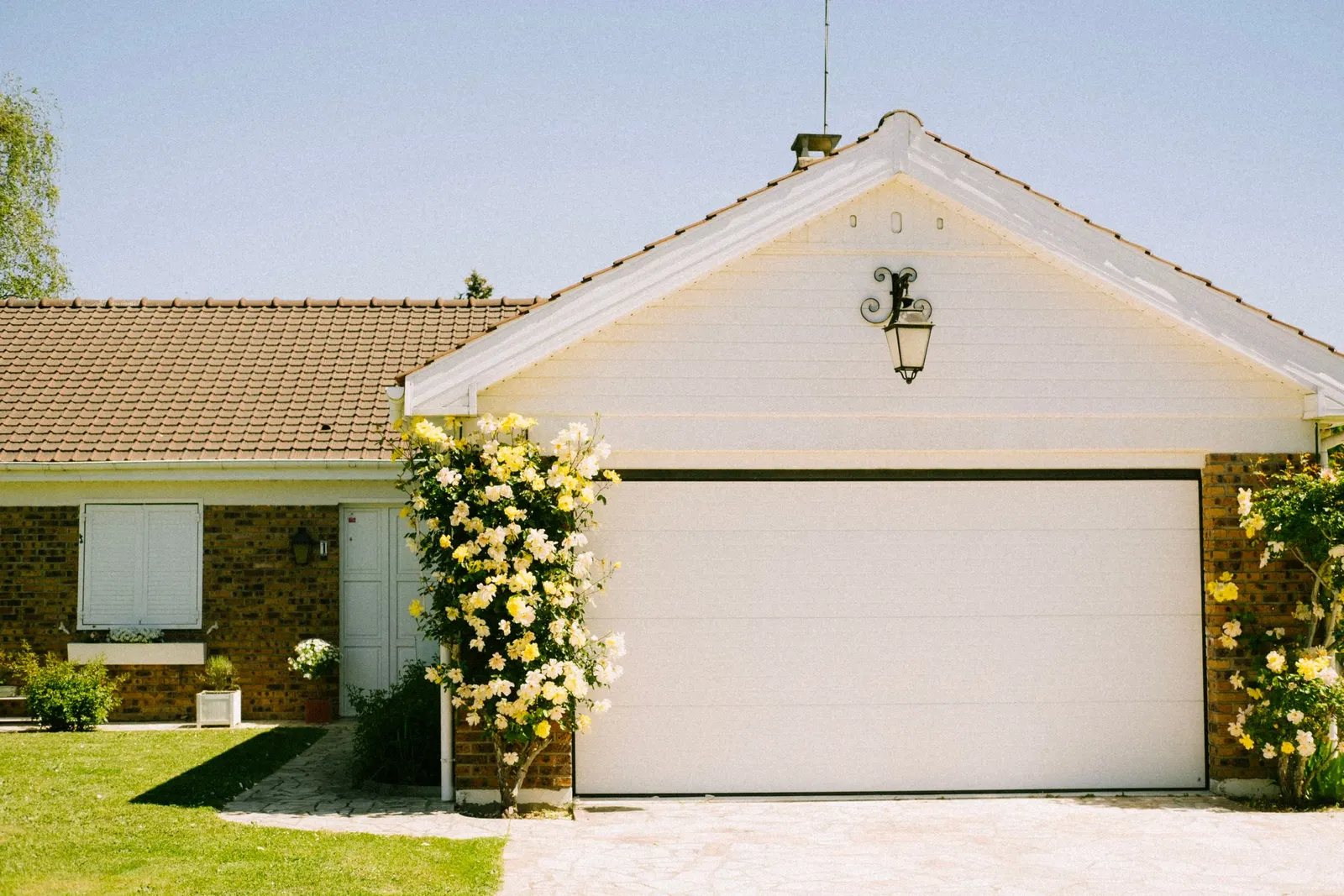
A single-storey brick house with a large white garage door, a paved drive and climbing yellow roses
Where the garage door becomes a wall and a window, the front of the house changes. Photo: Mathias Reding / Pexels (Pexels License).

Do councils have their own forms?

Some do. Westminster asks flood-affected proposals for a signed Flood Risk and Sustainable Drainage pro forma, and other councils have their own templates. We complete the council's form where there is one, and write the statement in its order where there is not.
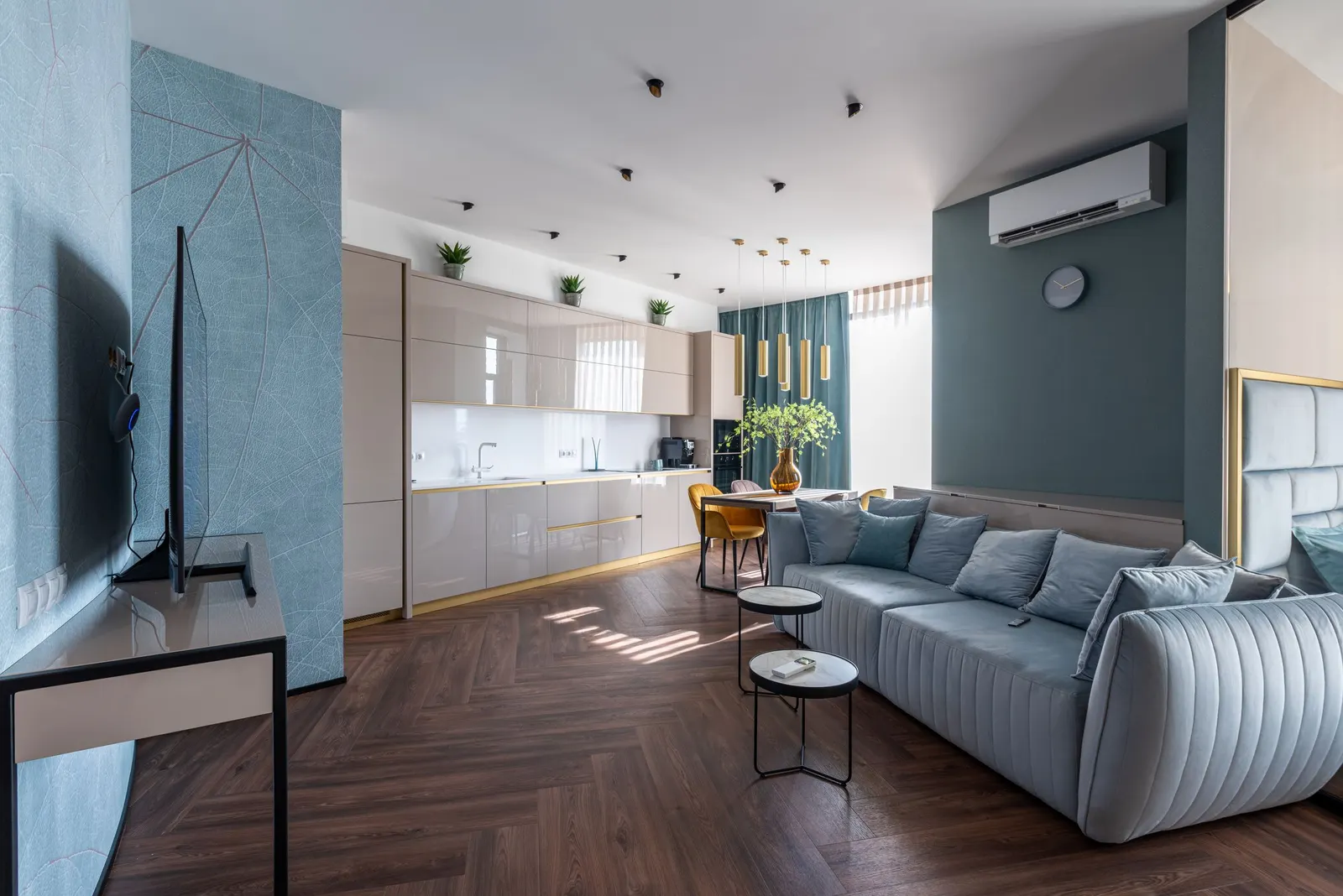
An open-plan living space with a pale blue sofa, a kitchen run along one wall and a dining table by the window
A layout drawn at scale shows whether furniture and circulation really fit. Photo: Max Vakhtbovych / Pexels (Pexels License).

What does it cost with a flood risk assessment?

The statement is from £295 on its own. Written together with a flood risk assessment it shares the same plan measurements and site data, and we quote the pair in writing before you commit. A soakaway needs ground testing and an engineer's design, which is separate, and we tell you if your site needs one.

Frequently asked questions

Do I need a SuDS statement for a rear extension?

Some London councils ask for one with householder applications, especially where the extension adds roof area or paving in a surface water risk area. We check your council's list before quoting.

What counts as a sustainable drainage feature?

Anything that keeps rainwater on site or slows it down: water butts, permeable paving, a rain garden, a soakaway where the ground allows, or a green roof.

Is a SuDS statement the same as a drainage strategy?

No. A drainage strategy covers foul and surface water for new homes and larger schemes. A SuDS statement is the shorter document for an extension or single home.
Small changes count in a combined sewer

A rear extension and a new patio can send their rain straight into the sewer. The statement shows the council how a water butt, a permeable drive or a green roof keeps some of it on site.

Photo: Mathias Reding / Pexels

The figures, with their sources

Start with £150

Your fixed fee is already on this page.

Tell us the postcode and what you want to build. We confirm the fee in writing and book the survey.

01
Measured surveyWithin five working days
£150
02
Existing drawingsThe building as it stands
£175
03
Proposed drawingsYour scheme, revised until right
£225
04
Planning application packForms, statements, OS plans
£125
05
Submission and agent servicePortal submission, queries handled
£120
Total, planning application£795
Get a fixed quote from £295
Get my fixed fee