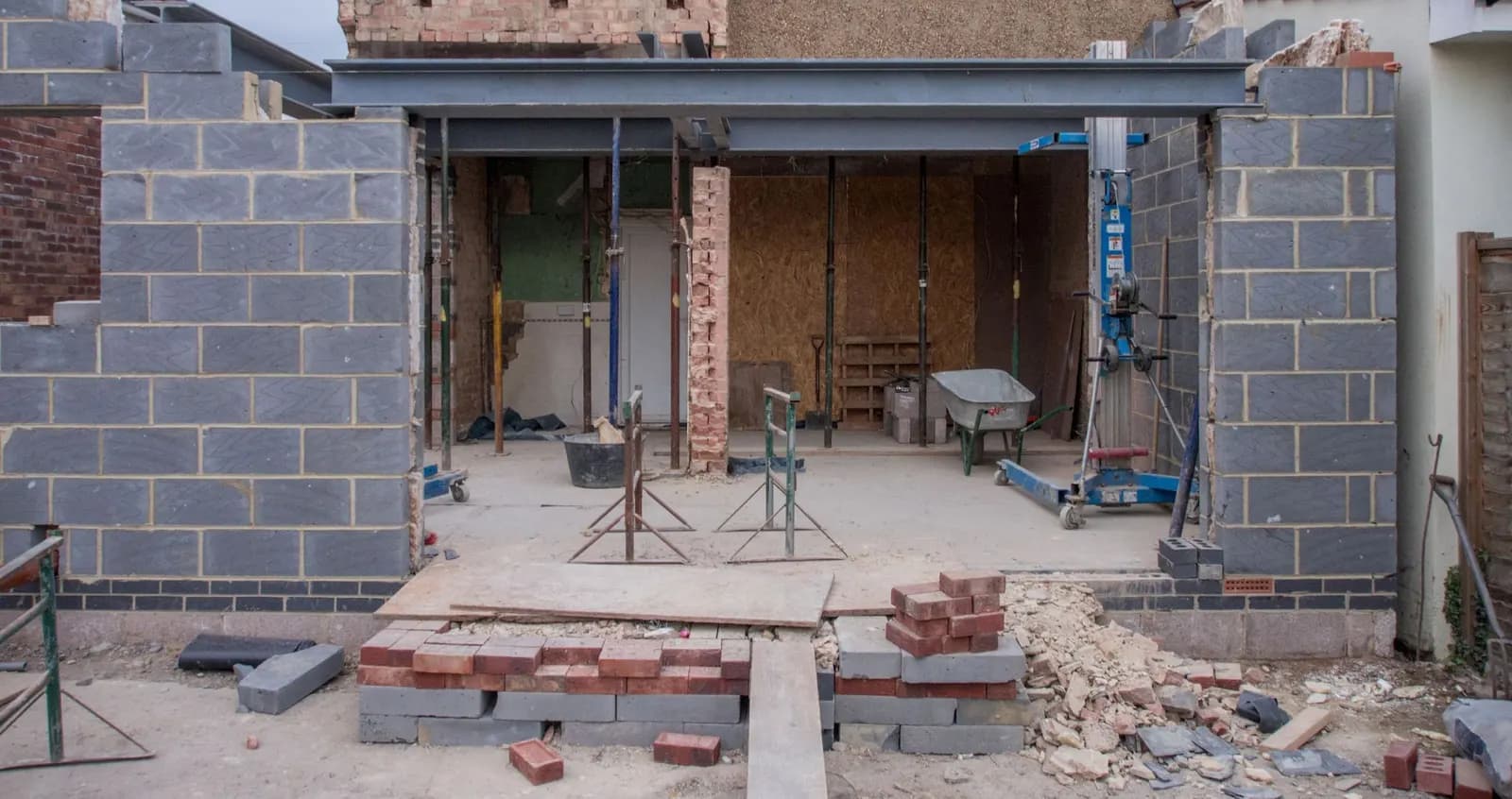
A retrospective planning application for work you have already built costs from £475 drawings + £150 survey (£625 total) at Fixed Fee Plans, and the council charges £548 on top. The fee covers the survey of what exists, the as-built drawings and the written planning case, so the council is deciding on measured facts and not on a neighbour's complaint.
Building first and asking afterwards is not a crime, and it is more common than people admit: an extension that grew by a metre, an outbuilding that turned out taller than the rules allow, a loft that was converted by a previous owner. What matters is how the council sees it, and what the drawings say.
Can I get planning permission for something already built?
Yes. Section 73A of the Town and Country Planning Act 1990 lets a council grant permission for development carried out before the date of the application, including work built without permission or without meeting a condition. The council decides it exactly as it would decide a new application, against the same policies, and it can only refuse for planning reasons.
It cannot refuse because the work is already there, and it cannot ask for a higher fee: the £548 fee is the same as for an application before building. What changes is the pressure. Every day the work stays unlawful, it is harder to sell or remortgage, which is why many owners apply before a buyer's solicitor asks.
Will the council enforce, and how long do I have?
Enforcement is discretionary, and councils generally act on complaints, not by walking the street. The planning practice guidance says the power to issue an enforcement notice is discretionary and that a council can invite a retrospective application where that is the right way to put things right.
There is also a time limit. In England, building work and a change of use to a single dwelling become immune from enforcement ten years after completion, under section 171B, for breaches from 25 April 2024; earlier ones keep the old four-year limit for operations. If the work is old enough, a certificate of lawfulness at from £545 drawings + £150 survey (£695 total) proves it, and it is the better route than asking for permission. Our guide to lawful development certificates sets out both limits and the evidence a council expects.
What if the council has already sent an enforcement notice?
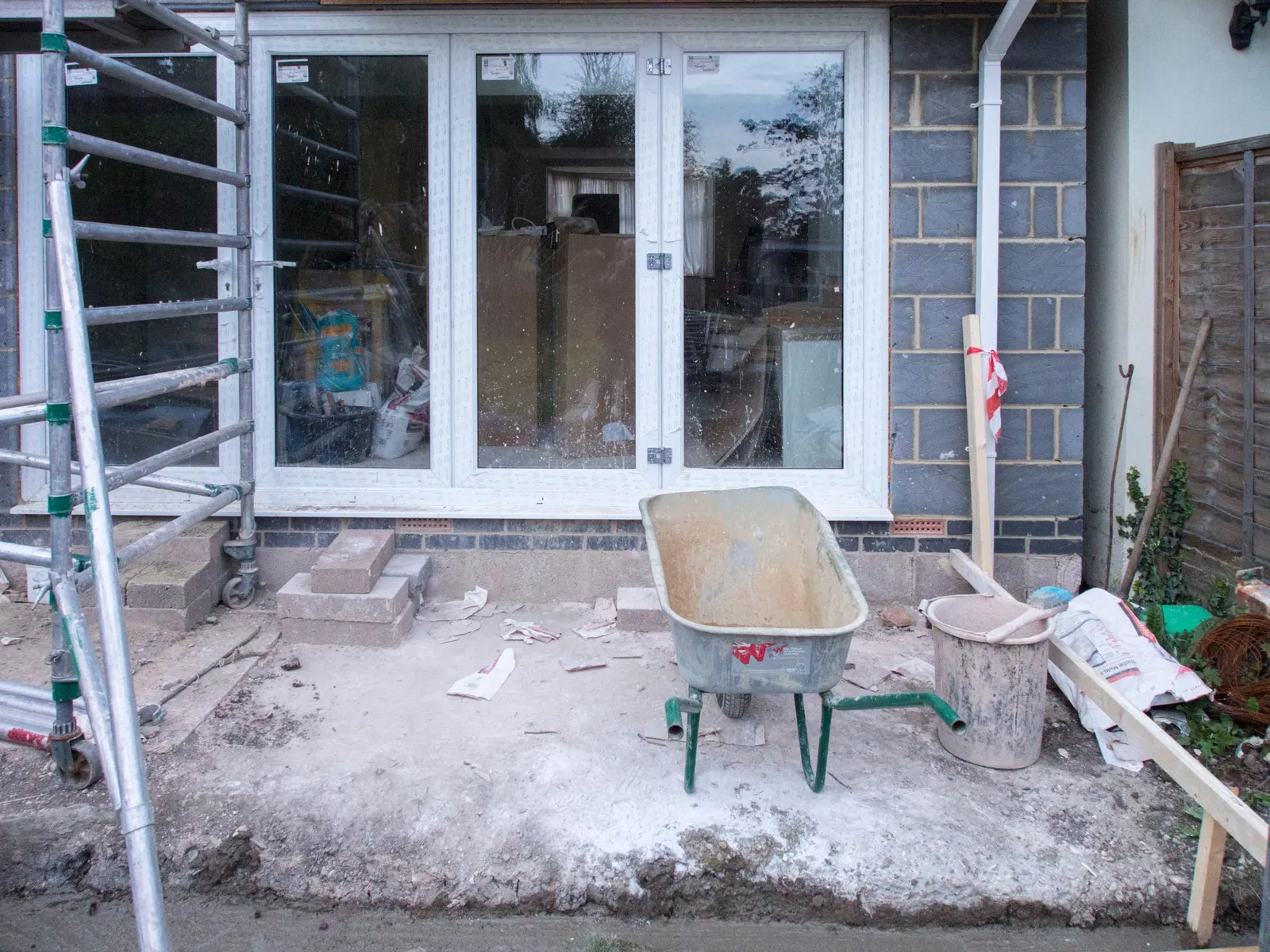
Tell us at once, because the time limits are short. An enforcement notice has to be served at least 28 days before it takes effect, and under section 174 you can appeal against it before then. Failing to comply after the compliance period is the offence, under section 179, not the building itself.
Section 70C also lets a council decline to decide a new application that would grant permission for the same matters as an existing notice, so a late application may not be heard. If you are within the appeal period, an application to the Planning Inspectorate against the notice is a separate process from this service, and a householder appeal is a different thing again. We say plainly in our first opinion which route fits, before you spend on drawings.
What if the work will not be accepted as built?
Then you hear it from us first. Our written opinion compares the survey with your council's published rules: depth, height, distance from the boundary, materials and the effect on neighbours' light. If the work is two feet too tall for a policy and a small change would bring it inside, we draw the amended version and apply for that instead.
We do not promise an outcome, and we do not tell you work is fine when the figures say otherwise. The honest result of a survey is sometimes a different set of drawings, or the news that building regulations are the bigger problem. Work done without approval from building control needs its own route, which is a regularisation certificate, and any new structural work needs building regulations drawings. Before you start, our permitted development checker shows whether the work needed permission in the first place.
Frequently asked questions
Is it a criminal offence to build without planning permission?
No. The offence under section 179 arises only when an enforcement notice has taken effect and its steps are not taken. Building without permission is a breach of planning control that the council can choose to act on.
How much does a retrospective planning application cost?
Our fee is from £475 drawings + £150 survey (£625 total), and the council's householder fee is £548, paid to the council when you apply.
Can the council refuse because I built first?
No. It has to decide the application on planning grounds, as it would for work not yet built. A refusal can be appealed, and the same 12-week limit for householder decisions applies.
Is there a free second go if my application is refused?
No. England removed the free repeat application from 6 December 2023, so an amended scheme pays the fee again, which is why we draw the work carefully the first time.