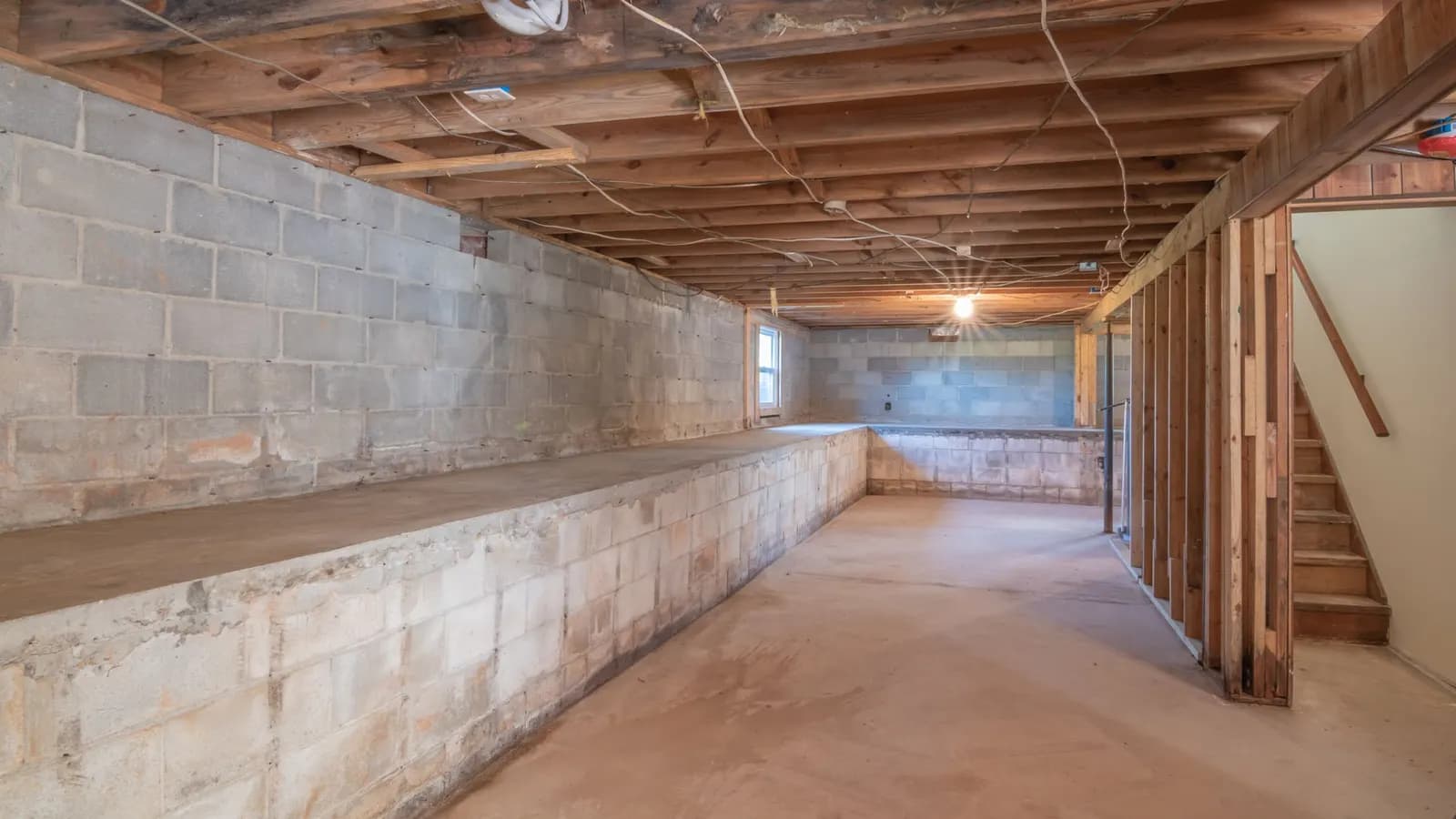
An empty cellar with block walls, a concrete floor, exposed timber joists overhead and a timber stair rising on the right
Photo: Curtis Adams / Pexels

Basement FRA · London & home counties

Basement flood risk assessment, from £570

A flood and groundwater assessment for a new or extended basement in London: every source of flooding, the council's basement flood rules, sewer protection and a safe way out. A desk assessment; a basement flat in Flood Zone 3 goes to a hydrologist, quoted separately. A published fee.

Our feefrom £570
Council feeNone

Ask for your fixed fee in writing

Name and email are required. Everything else helps us price it, but is optional.

Your enquiry goes to us and nowhere else. It is never syndicated or sold. See our privacy notice.

Photo: Curtis Adams / Pexels

Basement flood risk assessment

from £570

from £570

No council fee for this service. A fixed fee, confirmed in writing before any work starts.

Get my fixed fee

What you get

  • Every source of flood risk to the basement: tidal and river, breach, surface water, groundwater and sewers
  • Your council's own basement flood rules applied: what use is allowed in your flood zone and breach hazard area
  • Protection against sewer flooding: the pumped device or non-return arrangement the council asks for
  • Internal access to a higher floor and a safe way out, marked on the plans
  • Resistance and resilience measures for the basement, such as raised lightwell walls and flood doors
  • A note of where an engineer's basement impact assessment or a hydrologist is needed

A basement flood risk assessment costs from £570 at Fixed Fee Plans. It assesses every way water could reach a new or extended basement, from a breach of the Thames defences to groundwater and the sewer backing up, and applies your council's own basement flood rules to the use you propose. We write it alongside our basement drawings, so the measures appear on the plans.

It is a separate product from the householder flood risk assessment because basements are judged differently. Several London councils ask for one whatever the flood zone.

Do I need a flood risk assessment for a basement?

In much of inner London, yes, even outside the flood zones. Kensington and Chelsea treats basements as highly vulnerable and requires an assessment for any basement development, regardless of the flood zone. Southwark lists basement extensions among the developments that must submit one. Hammersmith and Fulham requires one where its Surface Water Management Plan shows elevated groundwater. We check your council's rule before quoting.

How the basement flood risk assessment service runs: 1. Maps; 2. Rules; 3. Measures; 4. Mark up; 5. Submit1MapsWe check flood zone, breach hazard,surface water and groundwater maps forthe address.2RulesWe apply the council's basement floodtable to the use you propose.3MeasuresWe set out sewer protection, access to ahigher floor and resilience measures.4Mark upWe add the measures to the basementdrawings.5SubmitThe assessment goes with the applicationand the basement impact assessment.
How the basement flood risk assessment service runs

What use can the basement have?

That depends on the flood zone and, near the Thames, the breach hazard. Richmond does not permit bedrooms at basement level in Flood Zone 3a areas of extreme, significant or moderate breach hazard, and any basement it allows must have internal access to a higher floor. Southwark does not support basements for sleeping accommodation at all and wants them used mainly for storage, servicing or parking. Wandsworth and Merton do not permit self-contained basement flats in their higher flood zones.

So the assessment starts by placing the house on the breach hazard and groundwater maps, then tells you plainly which uses are open. A self-contained basement flat in Flood Zone 3 needs a hydrologist's assessment, which we quote separately; often the answer is that the council will not accept it.
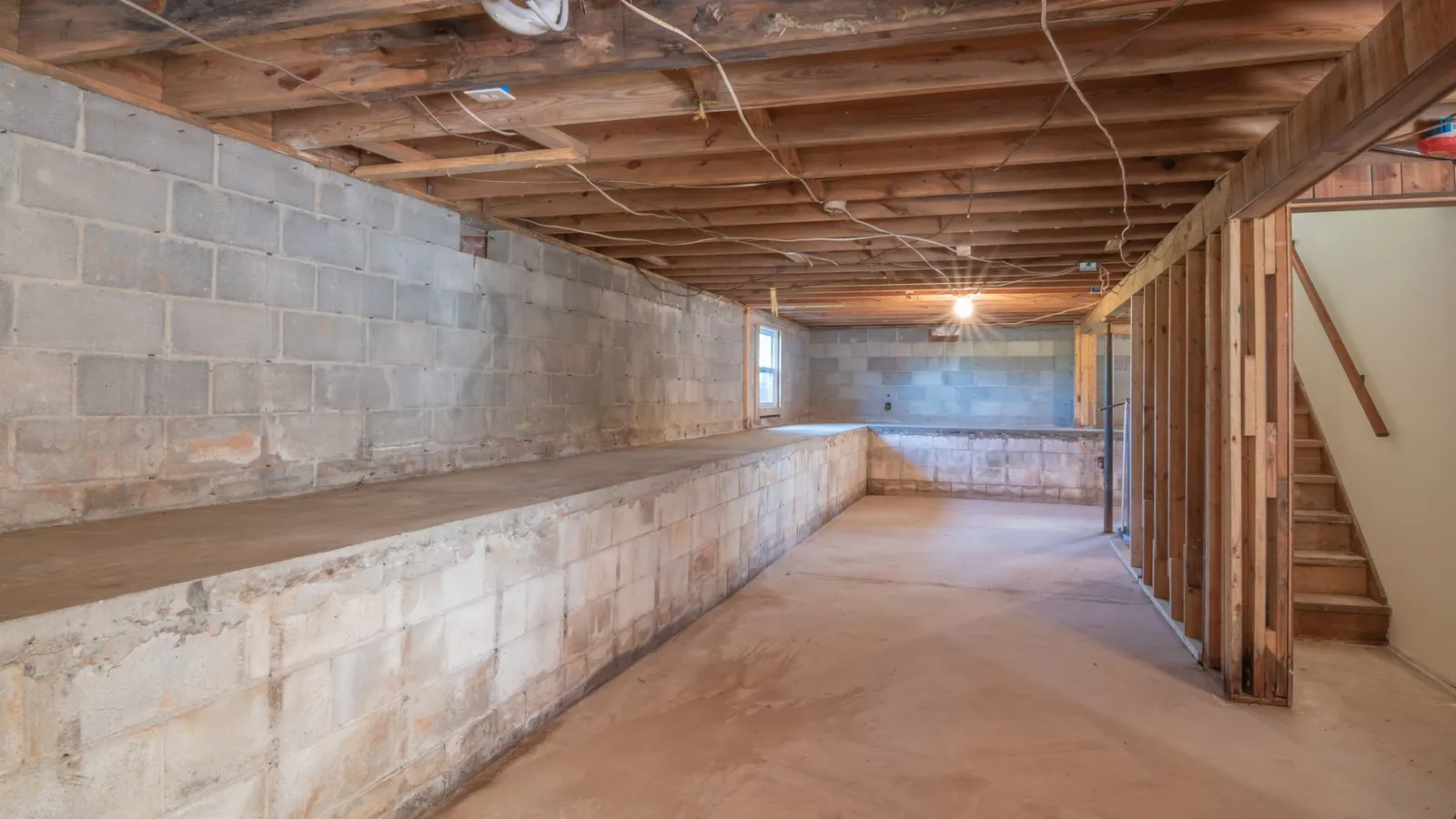
An empty cellar with block walls, a concrete floor, exposed timber joists overhead and a timber stair rising on the right
A cellar like this is measured wall by wall before any lowering or new dig is drawn. Photo: Curtis Adams / Pexels (Pexels License).

How is a basement protected from sewer flooding?

With a pumped device or non-return arrangement, and the assessment says which. Merton asks basements that discharge to the sewer to install suitable positively pumped devices against sewer flooding, and other councils set similar conditions. We note the device, the raised lightwell walls, flood doors and resilient finishes the site needs, and mark them on the basement plans and sections.
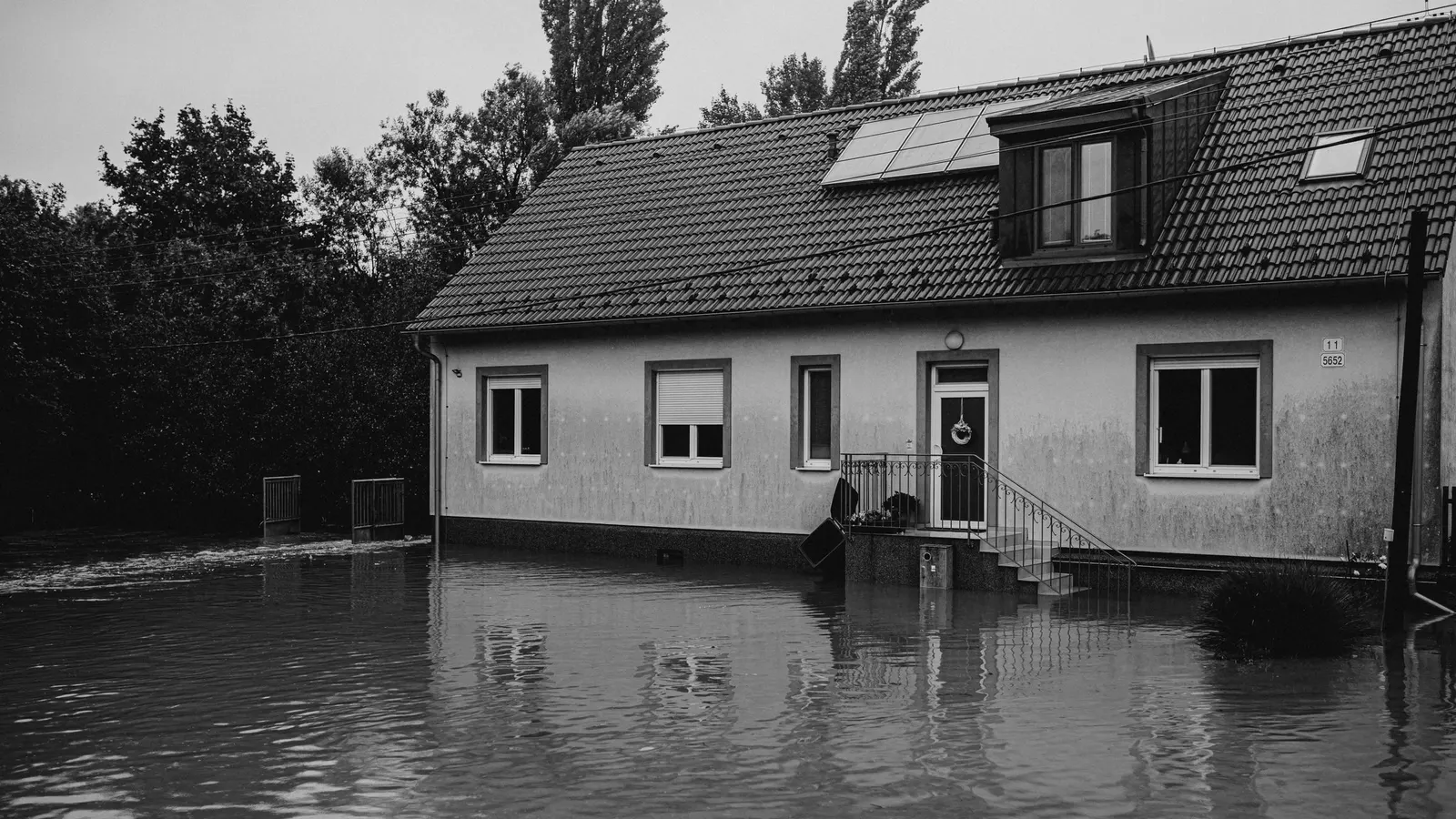
A black-and-white view of a tiled-roof house with a front door and steps, surrounded by floodwater
Where floors sit against the estimated flood level is what a householder assessment sets out. Photo: Helena Jankovičová Kováčová / Pexels (Pexels License).

What else does a basement application need?

Usually a basement impact assessment by a chartered engineer, which covers ground movement, groundwater flow and neighbouring buildings; Southwark asks for one with every new or extended basement. It is a separate engineer's report. Our fee is from £570 for a desk assessment of one house; a large or complex basement is quoted in writing before we start.

Frequently asked questions

Does a basement in Flood Zone 1 need a flood risk assessment?

It can. Kensington and Chelsea requires one for any basement regardless of flood zone, and Hammersmith and Fulham where groundwater is elevated. Other councils follow the national flood zone rule. We check yours before quoting.

Can I have a bedroom in a basement near the Thames?

Often not. Richmond does not permit basement bedrooms in its higher breach hazard areas of Flood Zone 3a, and Southwark does not support basement sleeping accommodation. The assessment tells you what your council allows.

Is this the same as a basement impact assessment?

No. A basement impact assessment is an engineer's report on ground movement, groundwater and neighbours. The flood risk assessment covers flooding. Most London basement applications need both.
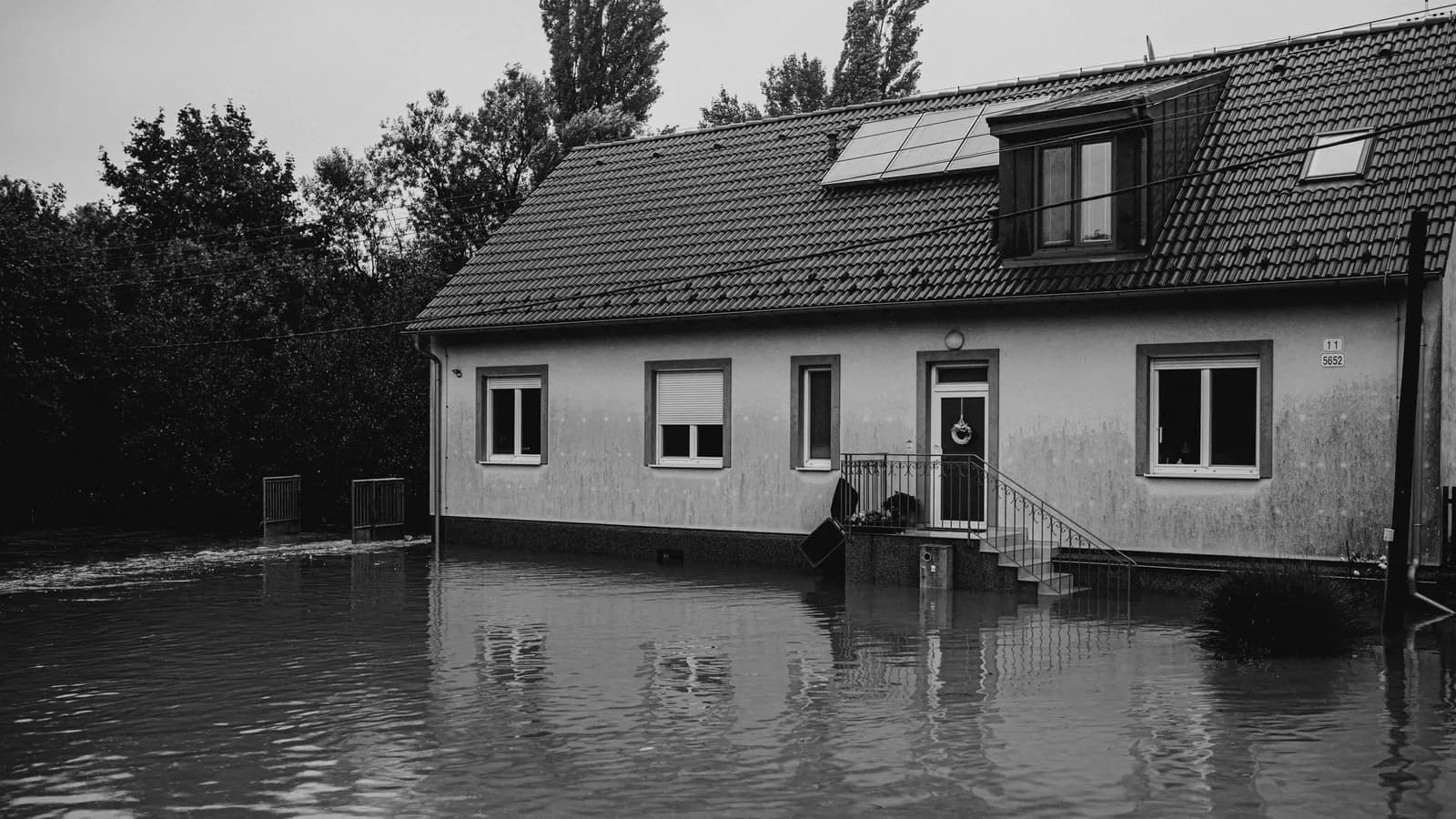
A basement floods first and fastest

That is why London councils have separate flood rules for basements: no bedrooms or flats in the higher-risk zones, a pumped device against sewer flooding, and a way up to a higher floor.

Photo: Helena Jankovičová Kováčová / Pexels

The figures, with their sources

Start with £150

Your fixed fee is already on this page.

Tell us the postcode and what you want to build. We confirm the fee in writing and book the survey.

01
Measured surveyWithin five working days
£150
02
Existing drawingsThe building as it stands
£175
03
Proposed drawingsYour scheme, revised until right
£225
04
Planning application packForms, statements, OS plans
£125
05
Submission and agent servicePortal submission, queries handled
£120
Total, planning application£795
Get a fixed quote from £570
Get my fixed fee