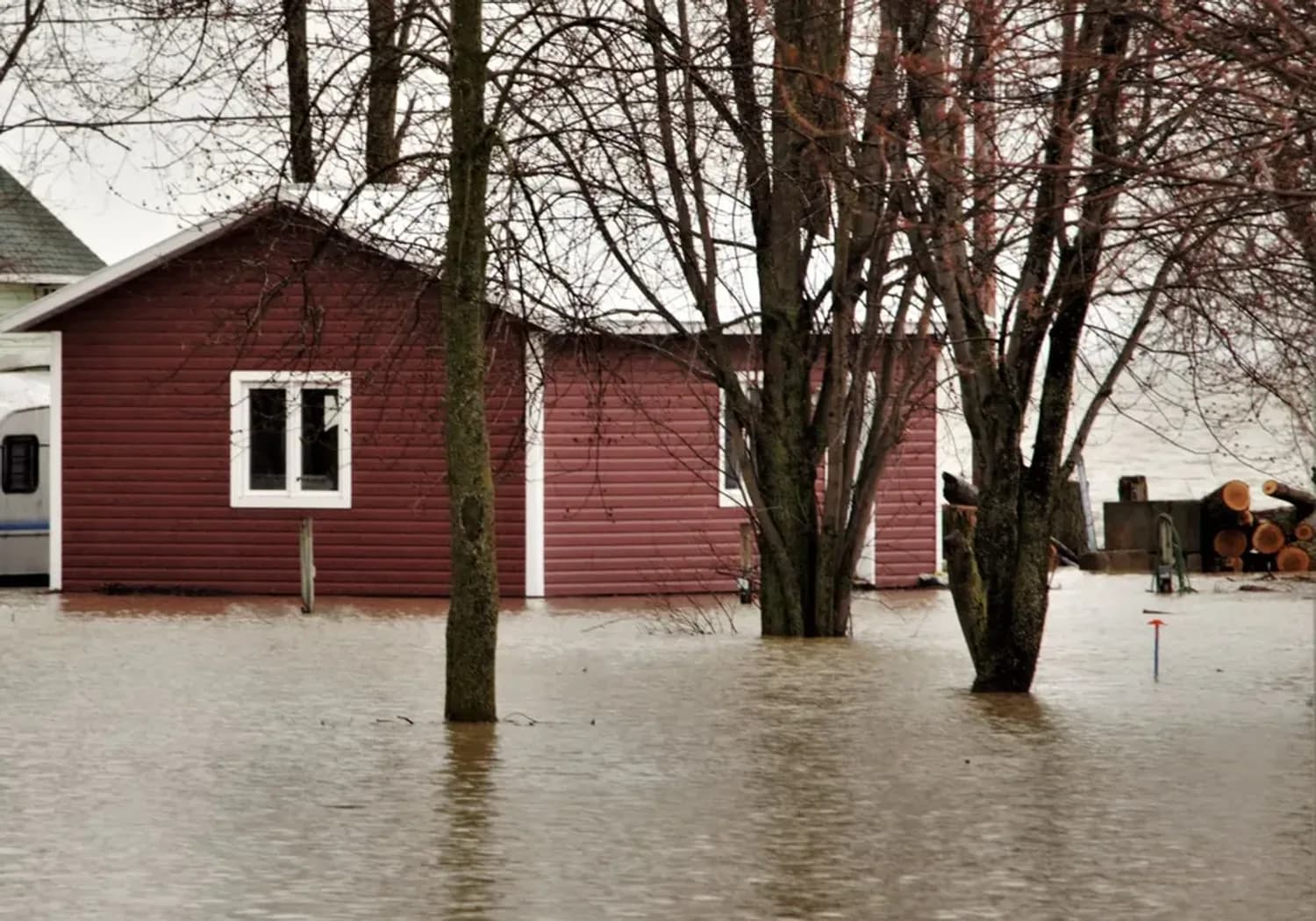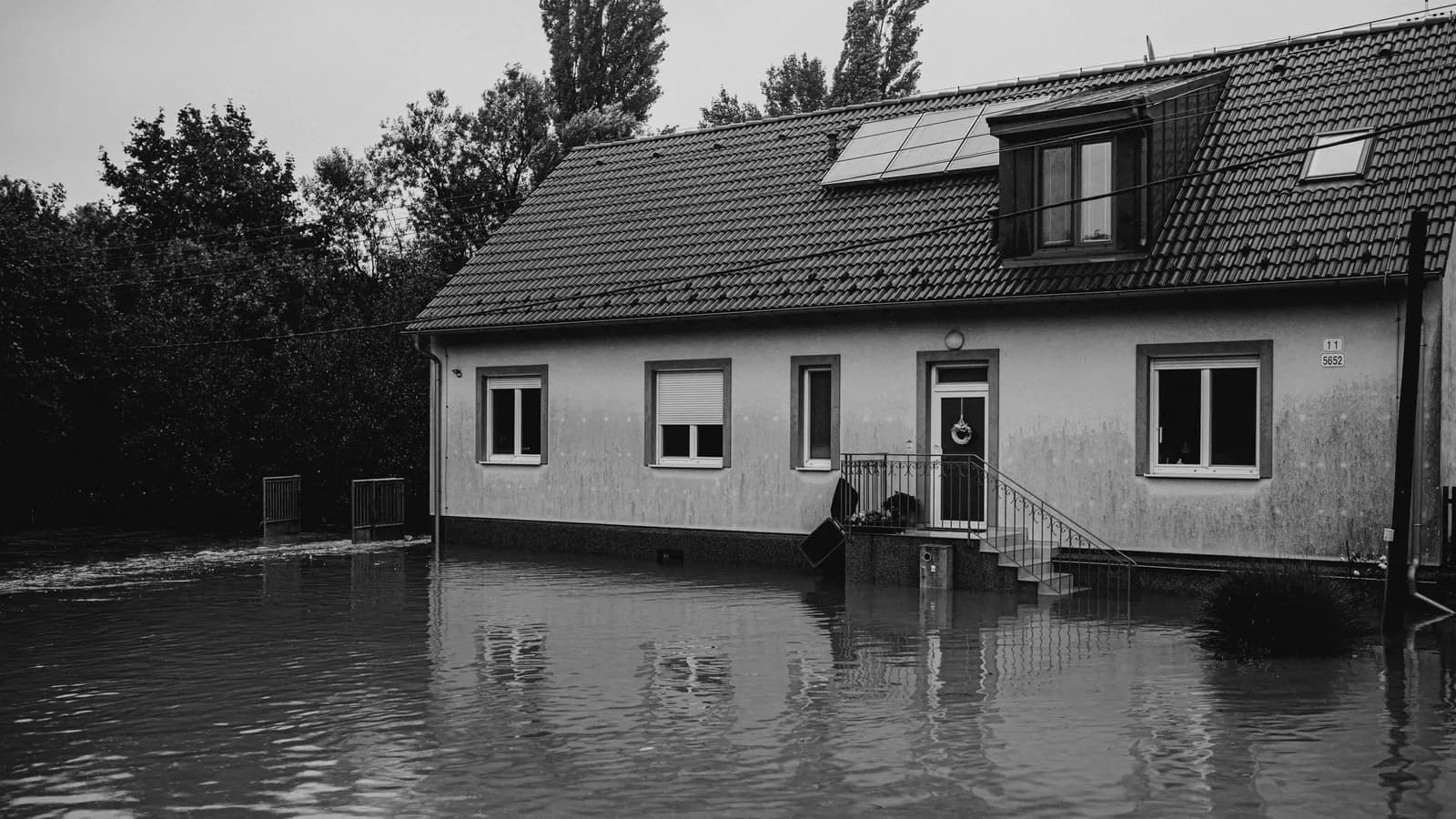
A flood risk sequential test costs from £570 at Fixed Fee Plans. It is the document that shows a council there is no reasonably available site at lower flood risk where your homes could go instead. We set the search area your council accepts, compare the sites in it and write the conclusion, and we tell you first if your scheme is exempt.
Many schemes are. The test catches new homes and larger schemes in flood zones, not most extensions, and several London councils have already passed it for large parts of their area. Paying for one you do not need is the first thing we prevent.
Do I need a sequential test?
Not for minor development or most changes of use. National planning guidance applies the test to major and non-major development, and says it need not be applied to the minor developments and changes of use the NPPF sets out in a footnote. A householder extension is minor development, so it needs a flood risk assessment in a flood zone but not a sequential test.
New homes are different. A new house in a back garden, a block of flats or a redevelopment in Flood Zone 2 or 3 usually needs one, unless your council has already dealt with it. Hammersmith and Fulham has applied the test itself and concluded that all parts of the borough are potentially suitable, so FRAs there need not include one. Wandsworth treats it as passed in its named area strategy areas and on site allocations.
What does the council expect the search to cover?
A search area and a list of sites. Wandsworth, for example, takes the whole borough as the default area unless a smaller one is justified, and councils want reasonably available sites, not every site. Lambeth adds surface water: it asks for sequential testing on sites at high or medium risk of surface water flooding as well as in Flood Zones 2 and 3. Southwark asks for one in Flood Zone 2 or 3 unless a test has already been done for that use on the site.
What is the exception test?
The second step, for some uses in some zones. It asks you to show the development brings wider sustainability benefits that outweigh the flood risk, and that it will be safe for its lifetime without increasing flood risk elsewhere. It is needed only for certain combinations of flood zone and vulnerability, which the flood risk assessment identifies. Where yours needs it we say so and quote it on top in writing; most minor schemes do not.

What happens after the test?
It goes in with the flood risk assessment and the application, and the council decides whether it is passed. Our fee is from £570 for a search within one borough; a wider search area is quoted before we start. A drainage strategy is often asked for on the same new-home schemes.
Frequently asked questions
Does a house extension need a sequential test?
No. National guidance applies the test to major and non-major development, and householder extensions are minor development. It may still need a flood risk assessment.
Does Hammersmith and Fulham need a sequential test?
Its Planning Guidance SPD says the council has applied the test and concluded all parts of the borough are potentially suitable, so FRAs need not include one. The exception test may still apply to some major schemes.
What happens if the sequential test fails?
The council can refuse the application on flood risk grounds. We tell you the likely outcome before you commit to the full test.