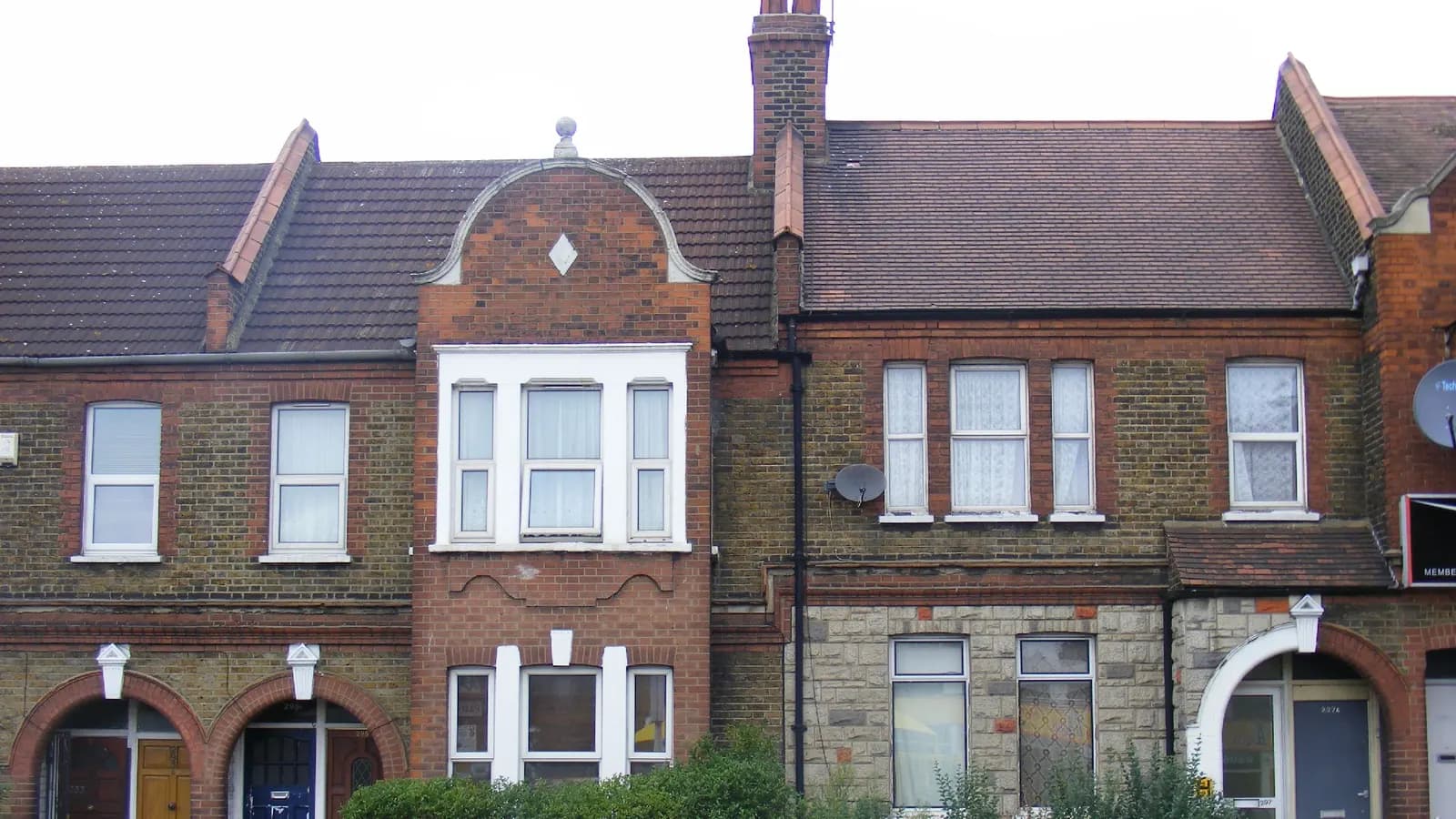
A damp and mould survey for landlords costs from £245 at Fixed Fee Plans, including the visit. We inspect every affected room in your rented property, take moisture readings and photographs, work out where the moisture is coming from and give you a written repair plan in order of priority.
Most landlords call when a tenant reports mould, or when the council has. The question either way is the same: what is causing it, and what repair will stop it. A survey answers that before money goes on the wrong fix.
What does a landlord have to do about damp and mould?
Keep the home in repair and fit to live in. In most residential tenancies, section 11 of the Landlord and Tenant Act 1985 makes the landlord keep the structure and exterior in repair, including drains, gutters and external pipes, and the Homes (Fitness for Human Habitation) Act 2018 requires the home to be fit for human habitation throughout the tenancy. Councils assess damp and mould as a hazard under the Housing Health and Safety Rating System.
Government guidance for rented housing is direct about blame: it says it is totally unreasonable to blame damp and mould on tenants' lifestyle choices, because everyday cooking, bathing and drying laundry make moisture, and the fundamental cause will be the building. That is why the survey looks at the building first.
Does Awaab's Law apply to private landlords?
Not at the time of writing, according to the government's own guidance. Awaab's Law came into force for the social rented sector on 27 October 2025, and it requires social landlords to investigate potential significant damp and mould hazards within 10 working days of becoming aware of them. The GOV.UK guidance applies it to social housing. Private landlords are covered by the repair, fitness and hazard rules above. If you are a housing association or council landlord, the survey's timings can be set to your Awaab's Law deadlines.
What does the survey look for?
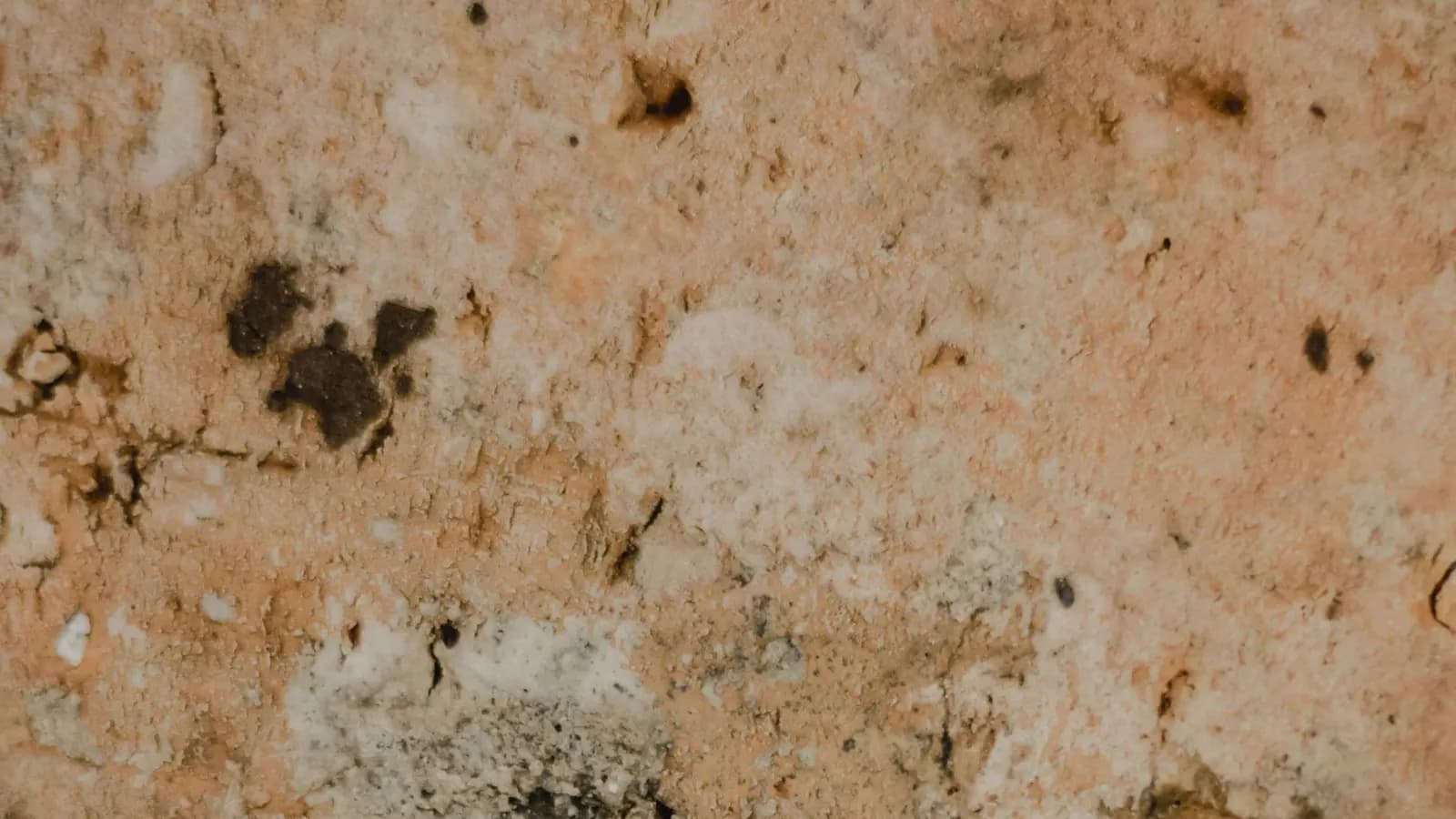
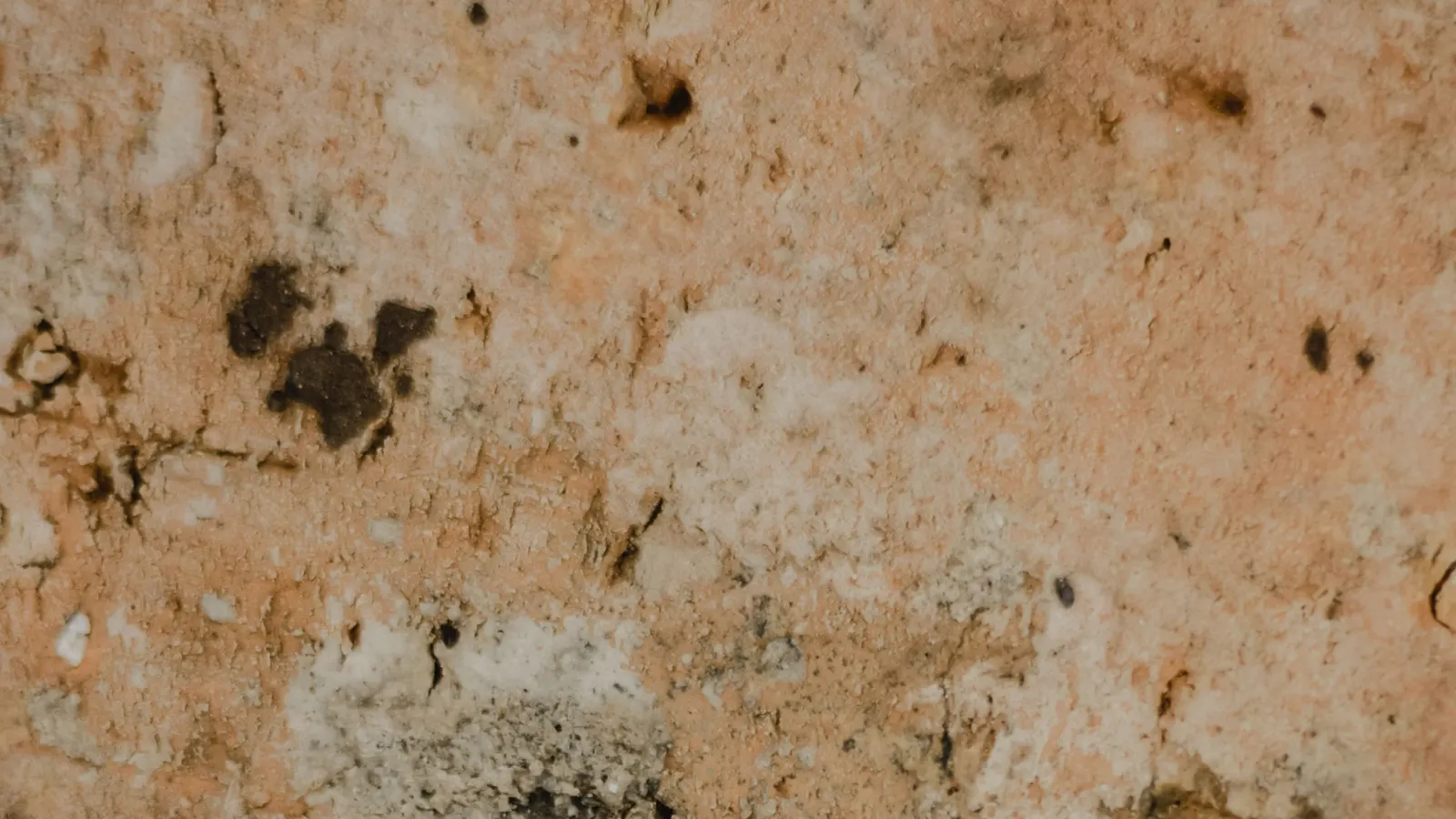
The source of the moisture, in each place it shows. Condensation from too little ventilation or heating looks different from water coming through a wall, a leaking pipe, a blocked gutter or ground moisture at the foot of a wall, and each needs a different repair. We record readings and photographs room by room, check the outside for the obvious causes such as gutters, downpipes and pointing, and say which tradesperson each repair needs.
Removing surface mould is part of the answer, not the answer. The government guidance says simply removing it will not stop it reappearing, and asks landlords to inspect again at least 6 weeks after remedial work. The report gives that follow-up date.
What does the survey not do?
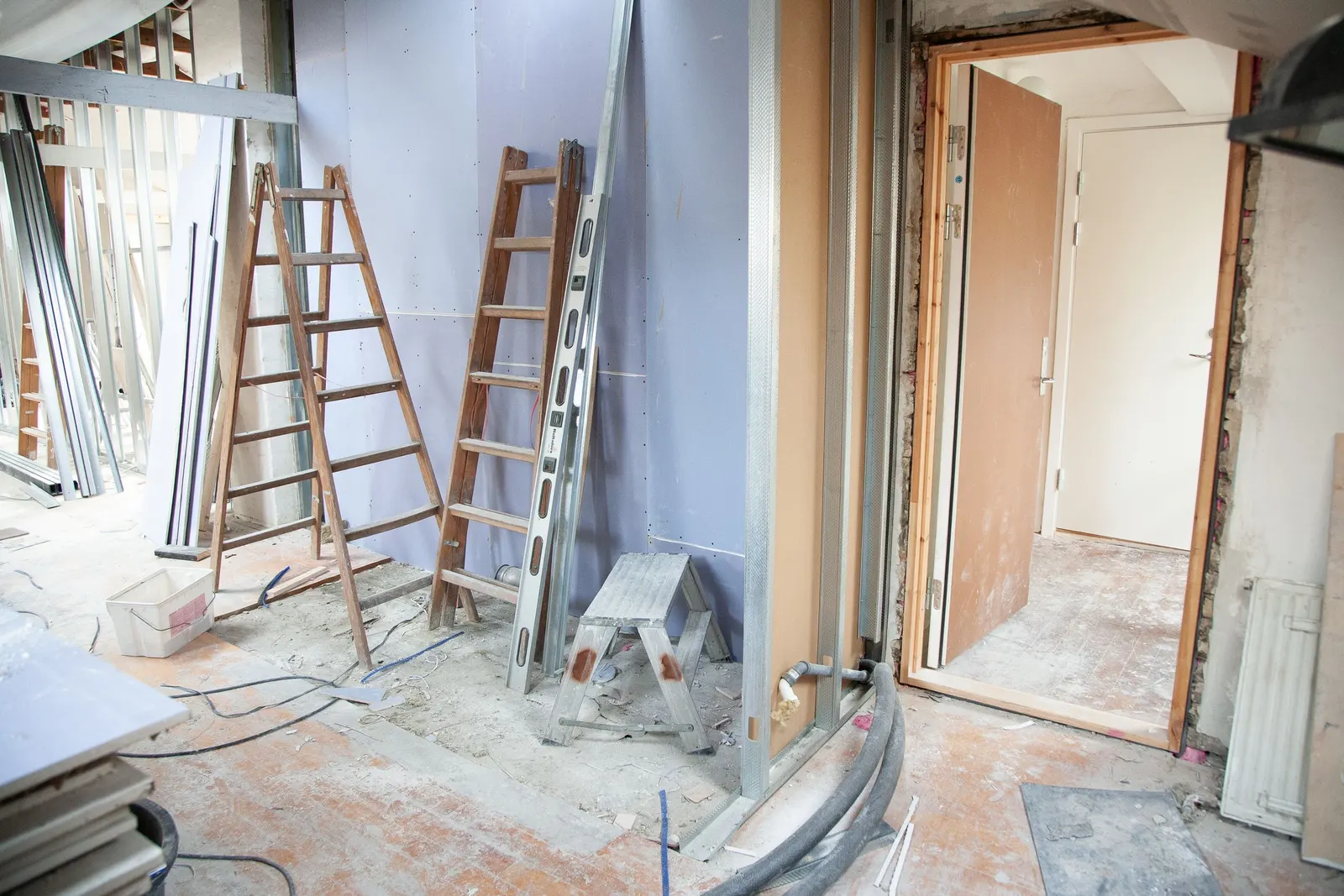
It is a visual and moisture survey, not a structural survey, and we do not open up walls or floors. We do not sell treatments, so the repair plan has no reason to favour one. If the cause needs a specialist, such as a drainage survey, a roofer or an engineer, the report says so. We do not hold, and do not claim, any trade association or product-installer accreditation; the report is a landlord's independent record of what was found.
Our fee is from £245 for a flat or house; an HMO or a block with many affected rooms is quoted in writing before the visit. A PPM report then puts the repairs on a dated schedule.
Frequently asked questions
Is condensation the tenant's fault?
Government guidance says it is unreasonable to blame damp and mould on tenants' lifestyle choices, because everyday living makes moisture and the fundamental cause is the building. The survey identifies ventilation and heating problems the landlord can fix.
Can the report be shared with the council?
Yes. It is written in plain English with readings and photographs, so you can share it with the tenant, an agent or a council environmental health officer.
How soon after repairs should the home be checked?
Government guidance asks landlords to inspect at least 6 weeks after remedial work. The report gives the date and what to look for.
Does Awaab's Law apply to my rental?
The GOV.UK guidance applies Awaab's Law to the social rented sector. Private landlords are covered by the repair, fitness for habitation and hazard rules.