Almost certainly in some form. The real question is which route your house allows and what the council will want with it, and six checks answer that before you pay for drawings: whether the house is in a conservation area, under an Article 4 direction, listed or locally listed, in a flood zone, near protected trees, and whether an earlier permission carries a condition that removed your permitted development rights. You can run all six yourself from public sources, or we check one address for you in a constraints report, which is from £19 and is credited against drawings if you go ahead.
On this page
- Is it a house or a flat?
- Check 1 and 2: conservation area and Article 4
- Check 3: is the house listed or locally listed?
- Check 4: what is the flood zone?
- Check 5: are there protected trees?
- Check 6: what do earlier permissions say?
- What does the answer mean for my project?
- How does the constraints report help?
- Frequently asked questions
Is it a house or a flat?
Ask this first, because it changes everything below. Householder permitted development under Part 1 of the General Permitted Development Order applies to dwellinghouses. A flat in a converted Victorian house or a purpose-built block has no householder permitted development, so any extension needs a full planning application. If you own a flat, the rest of these checks tell you what goes with that application, not whether you need one.
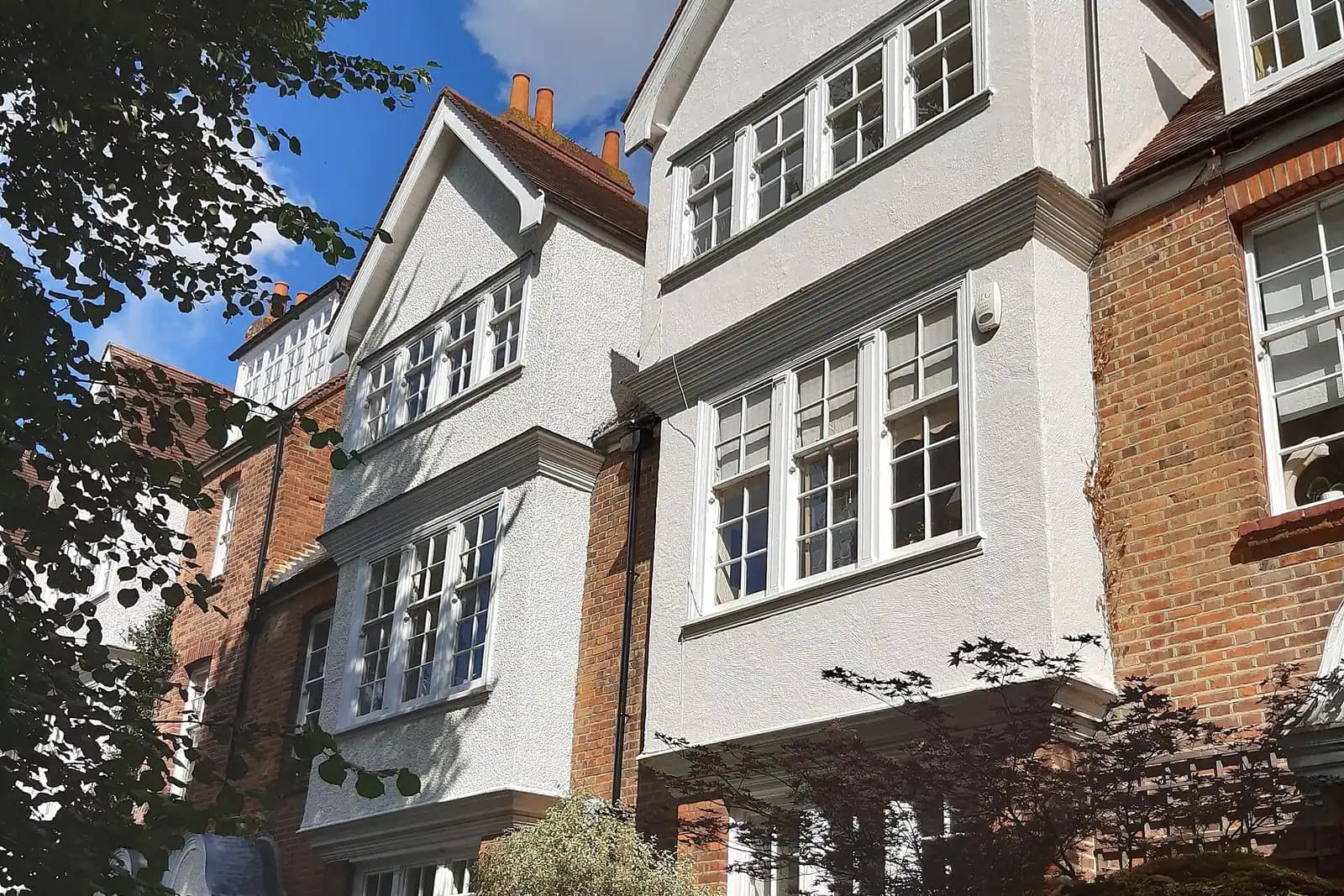
Check 1 and 2: conservation area and Article 4
Conservation areas are "article 2(3) land". There, permitted development excludes cladding, any extension beyond a side wall of the original house and any rear extension of more than one storey (GPDO Class A, A.2), and every roof enlargement under Class B (GPDO Class B, B.1(f)). In practice a side return, a wraparound, a two-storey rear extension or a rear dormer in a conservation area needs an application.
An Article 4 direction can then remove specified rights across a defined area. That does not ban the work; it "only means that a particular development cannot be carried out under permitted development" (MHCLG guidance).
Where to look: the national planning data holds 10,780 conservation areas from 158 providers (planning.data.gov.uk) and 7,649 Article 4 areas from 120 providers (planning.data.gov.uk), but both carry the warning that "the data may be incomplete and not yet cover all of England". Treat a "no" from the national map as provisional and confirm on your council's own conservation area and Article 4 pages.
If the answer is yes, expect a heritage statement with the application; see our post on heritage statements for conservation area extensions.
Check 3: is the house listed or locally listed?
Search the National Heritage List for England by address. A listed house needs listed building consent for any alteration or extension that affects its character, and work without it is an offence under section 7 of the 1990 Act. Listing covers the whole building, inside and out, not only the front.
Local listing is different. It is the council's own list of buildings of local interest, it does not need listed building consent, and it is found on the council's website rather than the national list. It still makes a heritage statement likely; Lambeth's list, for example, counts locally listed buildings as heritage assets (Lambeth local list, item 69).
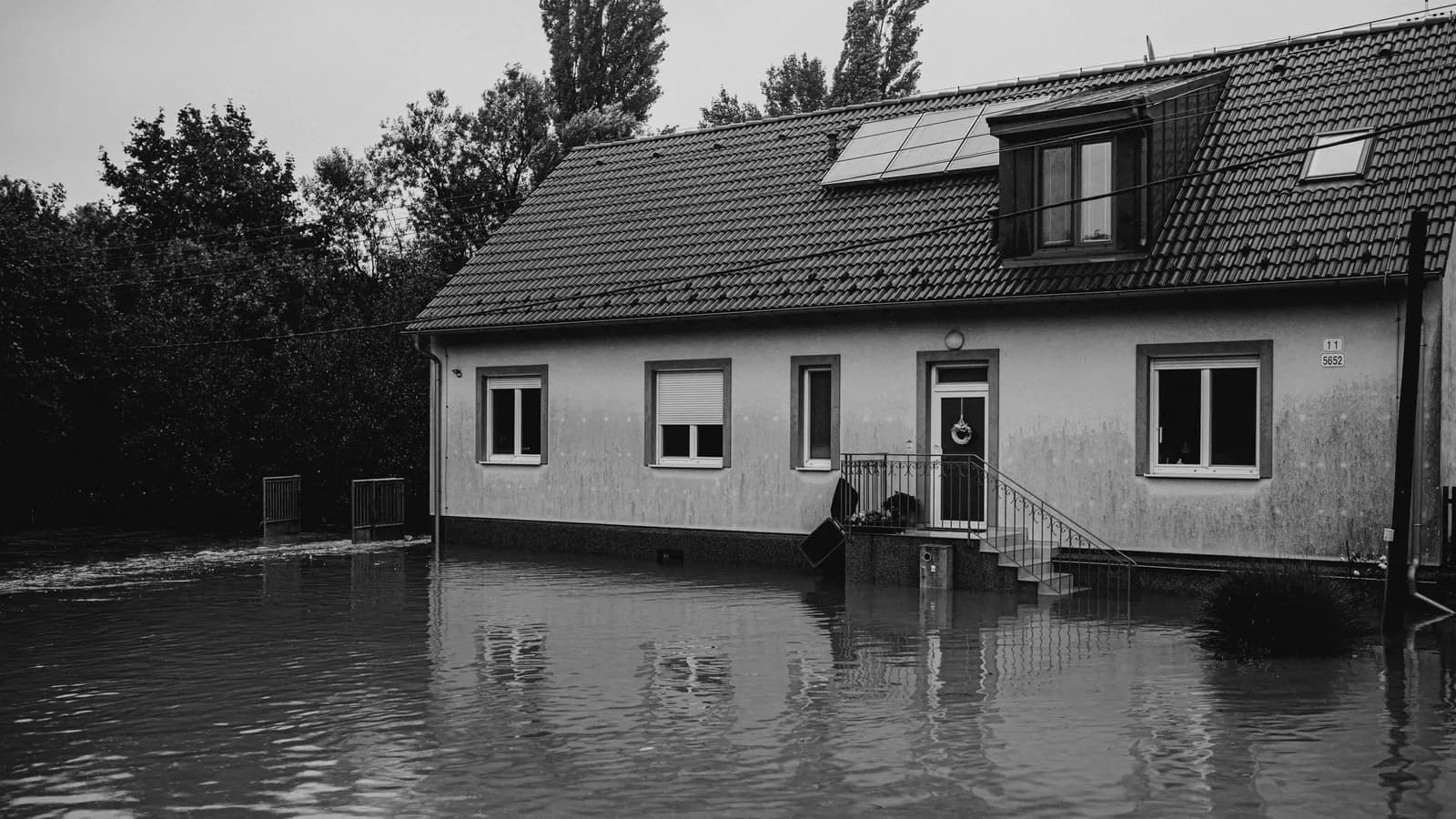
Check 4: what is the flood zone?
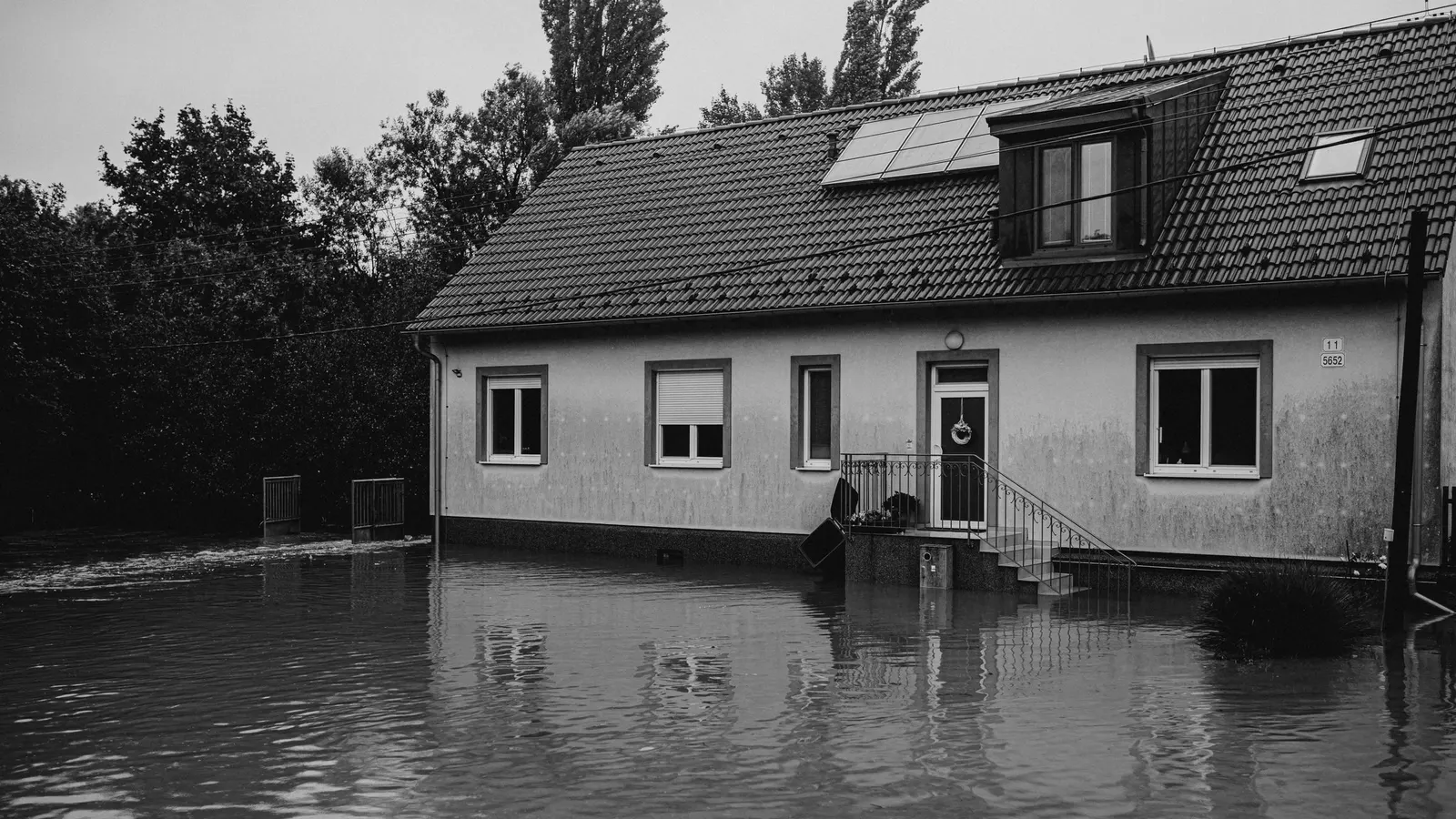
Use the Environment Agency's flood map for planning. A flood risk assessment is needed for development in Flood Zone 2 or 3, and in Flood Zone 1 where the map shows surface water risk or the area has critical drainage problems (GOV.UK). For a householder extension of up to 250 square metres, the assessment can follow the Environment Agency's standing advice for minor extensions.
In London this is not only a riverside question: streets near the Thames and smaller rivers such as the Wandle, the Lea and the Ravensbourne can fall in Zone 2 or 3, so check the map for your own street. Bromley's list, for instance, has a separate householder flood risk declaration for extensions in Flood Zone 2 or 3 (Bromley validation guidance). Our householder flood risk assessment guide covers what goes in one.
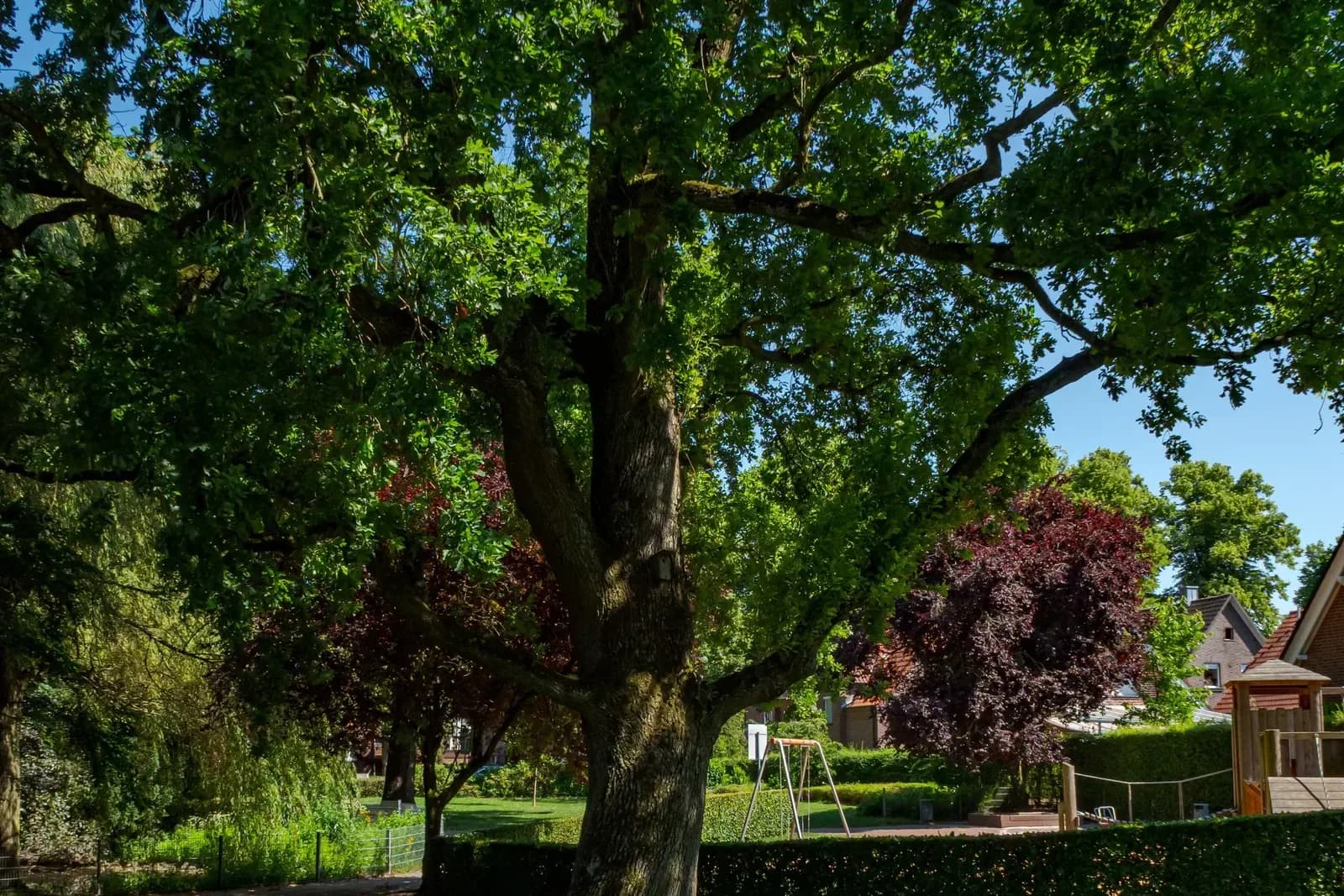
Check 5: are there protected trees?
Ask the council whether any tree on or next to your land has a tree preservation order. In a conservation area, unprotected trees still need a section 211 notice to the council six weeks before most work on them (MHCLG guidance), unless the trunk is no more than 75 mm across at 1.5 m above ground. Breaching an order can mean a fine of up to £20,000 in the magistrates' court, or an unlimited fine in serious cases.
Trees matter for an extension because of their roots as much as their branches. A rear extension towards a large tree in the garden of a London semi can change the foundation design and bring a tree survey into the application.
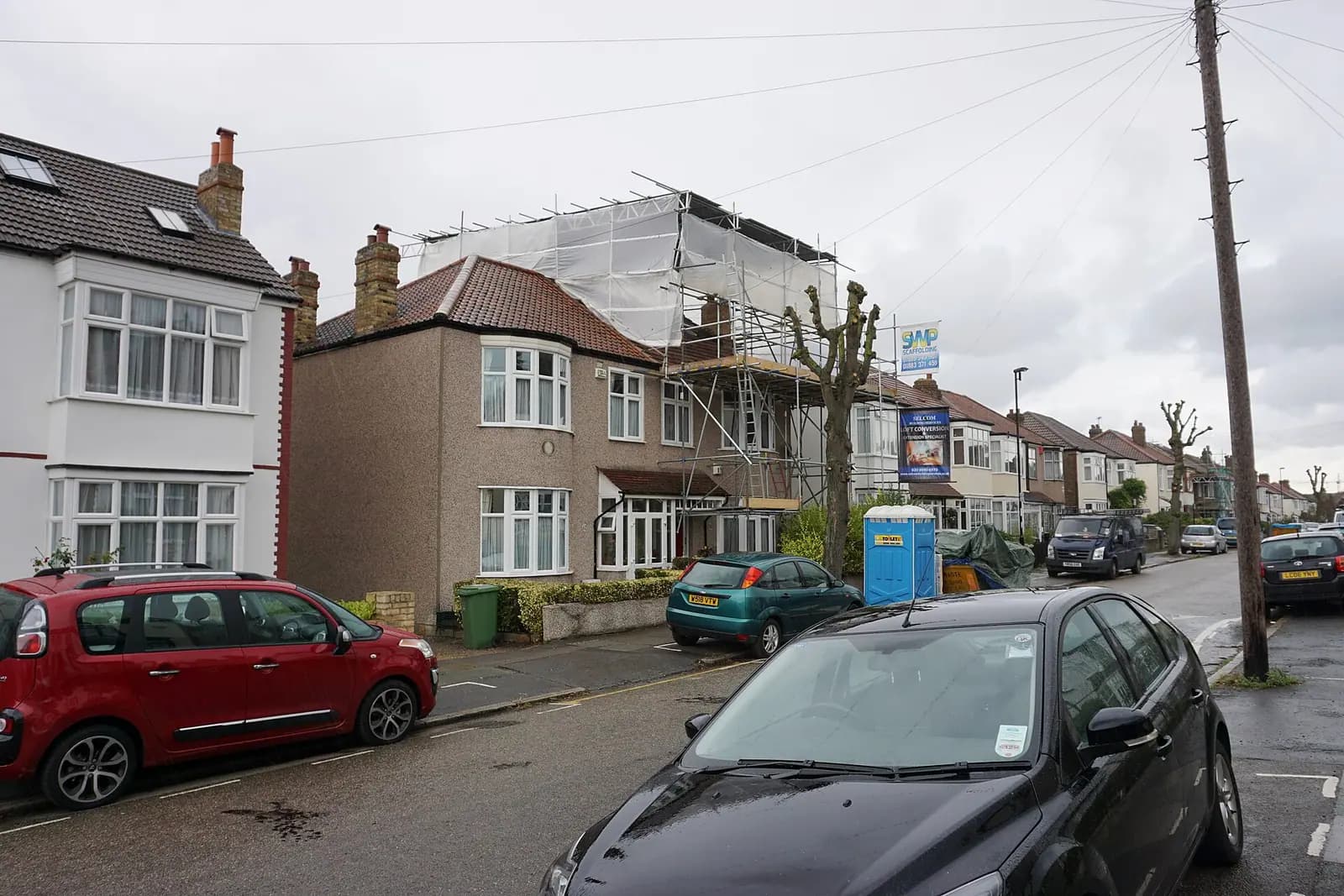
Check 6: what do earlier permissions say?
Search the council's planning register for your address. Look for two things. First, any condition on an earlier permission that removed permitted development rights, which the guidance confirms can be done "by means of a condition on a planning permission" (MHCLG guidance). Houses built or converted under a modern permission sometimes carry one. Second, earlier extensions: permitted development limits are measured from the original house, so a past extension uses up some of the allowance.
A refusal on your house or a neighbour's is also worth reading. It tells you what the council objected to last time.
What does the answer mean for my project?
| What the checks show | Likely route | What usually goes with it |
|---|---|---|
| None of the six apply | Permitted development, or prior approval for a larger rear extension | A lawful development certificate is optional |
| Conservation area or Article 4 | Householder application | Heritage statement; a fire statement where the council's list asks |
| Listed | Householder application plus listed building consent | Heritage statement and design and access statement |
| Flood Zone 2 or 3 | Whichever route applies above | Flood risk assessment |
| Condition removing rights | Householder application | Drawings and the usual forms |
Our posts on design and access statements and fire statements explain when those apply. The permitted development checker runs the size limits once you know the house is not restricted.
How does the constraints report help?
It does the six checks for one address and writes down what each means, with the source and date of each check. It covers conservation area, listing, Article 4 and conditions, flood zone and trees, and it is credited against our drawing service if you go ahead. The constraints report page sets out what is included, and the planning reports hub lists every report we prepare. If you are buying, our planning appraisal report, from £185, reads the planning history and likely options in more depth.
Frequently asked questions
How do I find out if my house is in a conservation area? Check the national planning data map, then confirm on your council's conservation area page, because the national dataset warns that it may be incomplete.
Can I extend a house in a conservation area? Yes, usually with a planning application rather than permitted development. The council tests whether the scheme preserves or enhances the area's character.
Does a flood zone stop me extending? Not usually for a householder extension. It adds a flood risk assessment, and for a minor extension that can follow the Environment Agency's standing advice.
What if a previous owner extended the house? Permitted development limits are measured from the original house, so an earlier extension counts against them. The planning register shows whether it had permission.