Usually yes. If your extension needs planning permission and any part of the house sits in a conservation area, London councils expect a heritage statement with the application, and some ask for one when the house is only next to a conservation area. The exception is an extension that is permitted development: no application means no statement. Inside a conservation area, though, permitted development is narrower, so most London extensions there do need an application. We write heritage statements for householder schemes; they are from £565.
On this page
- Does my extension need planning permission in a conservation area?
- What do London councils actually ask for?
- What does a statement for a conservation area extension have to cover?
- Is a listed house different?
- Can it go inside the design and access statement?
- What happens if I leave it out?
- Frequently asked questions
The cost of the document is covered in our heritage statement cost guide. This post is about whether you need one at all.
Does my extension need planning permission in a conservation area?
Start here, because a heritage statement only exists to support an application. Conservation areas are "article 2(3) land", and on that land three kinds of householder work drop out of permitted development: cladding the outside in stone, render or pebble dash; any extension beyond a side wall of the original house; and any rear extension of more than one storey (GPDO Class A, paragraph A.2).
In practice that catches the side return infill on a Victorian terrace, the wraparound kitchen and every two-storey rear extension. Some London councils add an Article 4 direction on top, which can take away rights that remain, such as those for front windows and doors. A single-storey rear extension within the size limits may still be permitted development, and then you need no statement. Our permitted development checker runs through the limits.
What do London councils actually ask for?
Each council sets its own local list, so we read three current ones rather than guess.
Lambeth asks for a Statement of Heritage Significance with all planning and listed building consent applications that have "the potential to affect a heritage asset", designated or not, or its setting. Its list names conservation areas, listed buildings, locally listed buildings and Archaeological Priority Areas, and asks that every statement refers to the Greater London Historic Environment Record (Lambeth local list, item 69).
Wandsworth asks for a heritage statement with all applications affecting a heritage asset or its setting, as a separate document or as part of a design and access statement. It expects the conservation area appraisal to be considered and the Historic Environment Record to be reviewed as a minimum (Wandsworth checklist, July 2026, item 27). We cover that borough on our Wandsworth heritage statement page.
Bromley lists a heritage statement for applications "within or adjacent to a Conservation Area" and for development affecting the setting of a listed building (Bromley validation guidance). If your house faces a conservation area boundary across the road, read that line before assuming you are outside the rule. The Bromley borough page sets out its other local rules.
One rule protects you: a local requirement only affects whether your application is valid if it is on a list the council published less than two years before you apply (MHCLG guidance, paragraph 039). Check the date on the front of your council's list.
What does a statement for a conservation area extension have to cover?
National policy HE5 asks for an assessment of the significance of the heritage assets affected, including their setting, in detail "proportionate to the assets' importance and no more than is necessary", with the historic environment record consulted (NPPF chapter 20).
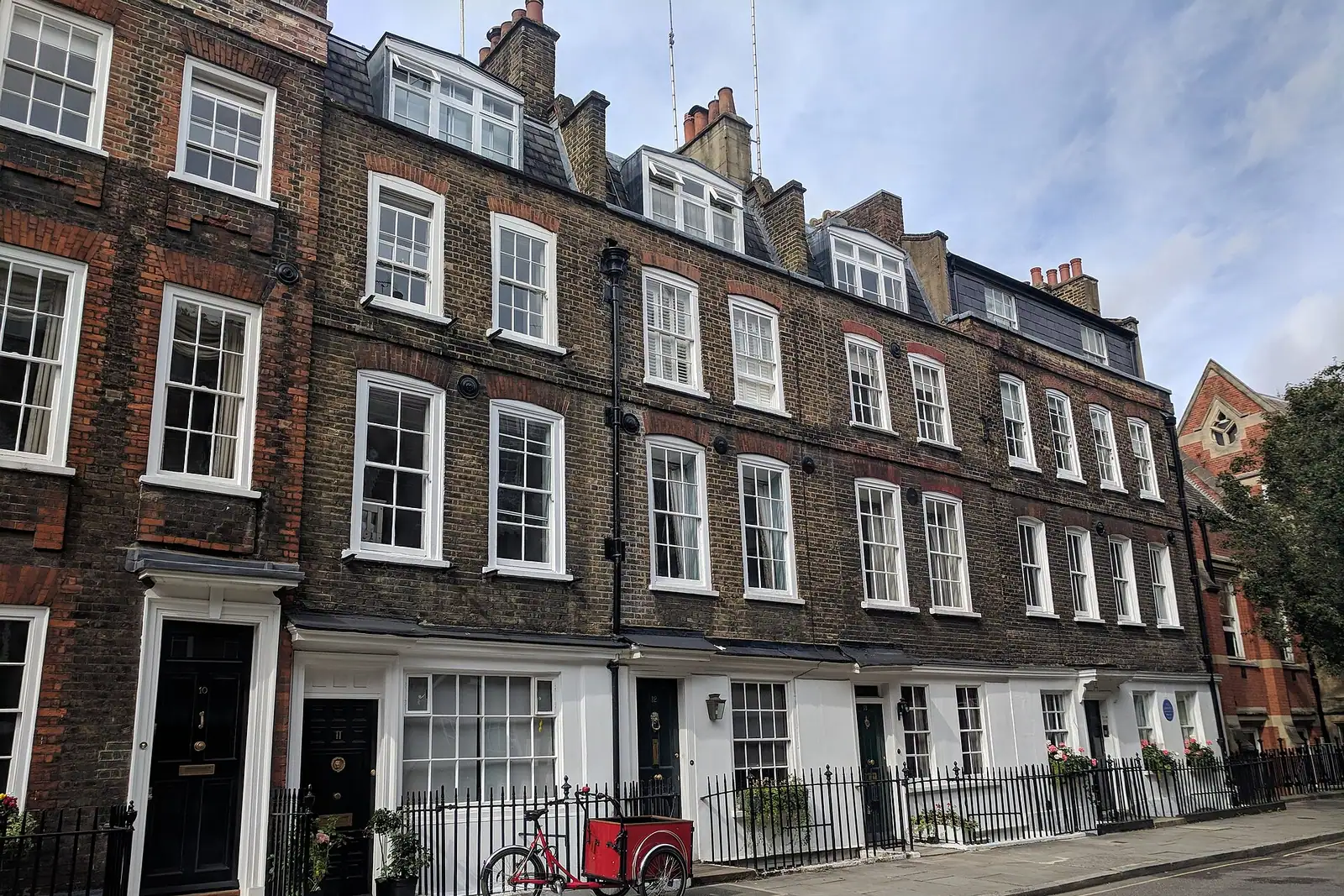
For a rear extension to an unlisted terrace house, the asset is usually the conservation area itself, so the statement looks outward as much as at the house:
- what the appraisal says gives this part of the area its character, such as the rhythm of rear outriggers, the roofline, London stock brick or the gaps between villas;
- how much of the extension can be seen from the street, a side road or neighbouring gardens;
- the materials, roof form and window proportions, and why they suit the house;
- whether the change preserves or enhances that character, which is the test the council applies under section 72.
A short, specific statement does more for the officer than a long general history of the borough.
Is a listed house different?
Yes, and the difference matters more than the paperwork. Altering or extending a listed building in a way that affects its character needs listed building consent, and doing the work without it is an offence under section 7. The council must also have "special regard" to preserving the building or its setting when it decides the planning application (section 66).
So a listed house usually means two applications, with the heritage statement at the core of both. The research goes inside the building too: plan form, joinery, plaster and phases of change. For a house of that kind, look at who is writing the statement. Wandsworth's list says the heritage statement "should be carried out by a specialist historic environment consultant". We write statements for householder schemes, and for a listed building with complex alterations we tell you plainly when a specialist consultant should lead.
Can it go inside the design and access statement?
Yes, where the council allows it. Wandsworth's list says the heritage statement can be part of a design and access statement. But a householder extension in a conservation area often does not need a design and access statement at all, because the national trigger is new dwellings or 100 square metres of new floor space. Our post on whether a householder needs a design and access statement explains the test, and our design and access statement service covers the cases that do.
What happens if I leave it out?
The council can treat the application as invalid and write to ask for the statement, and the decision clock does not start until it arrives. If you think the council is asking for something it should not, the guidance sets out an article 12 notice procedure, but for a heritage statement on a conservation area extension that is a hard case to make, because the council has a statutory duty to assess the effect on the area.
The quicker route is to find out first whether the address is in a conservation area, listed or locally listed. Our constraints report checks that for one address, and the planning reports hub lists the other documents an application may need.
Frequently asked questions
Do I need a heritage statement for a loft dormer in a conservation area? Usually yes. Roof enlargements under Class B are not permitted development on article 2(3) land, which includes conservation areas, so a dormer there needs an application, and the roofline is often what an appraisal singles out.
My house is just outside the conservation area boundary. Do I still need one? Possibly. Bromley's list names applications adjacent to a conservation area, and Lambeth's covers the setting of a heritage asset. Read your own council's wording.
Is a heritage statement needed for a lawful development certificate? Not normally. A certificate tests whether the work is lawful under the rules, not its planning merits, so heritage impact is not part of the decision.
Does a locally listed building need a heritage statement? Lambeth's list counts locally listed buildings as non-designated heritage assets and asks for one where they may be affected. Other councils vary, so check the list.