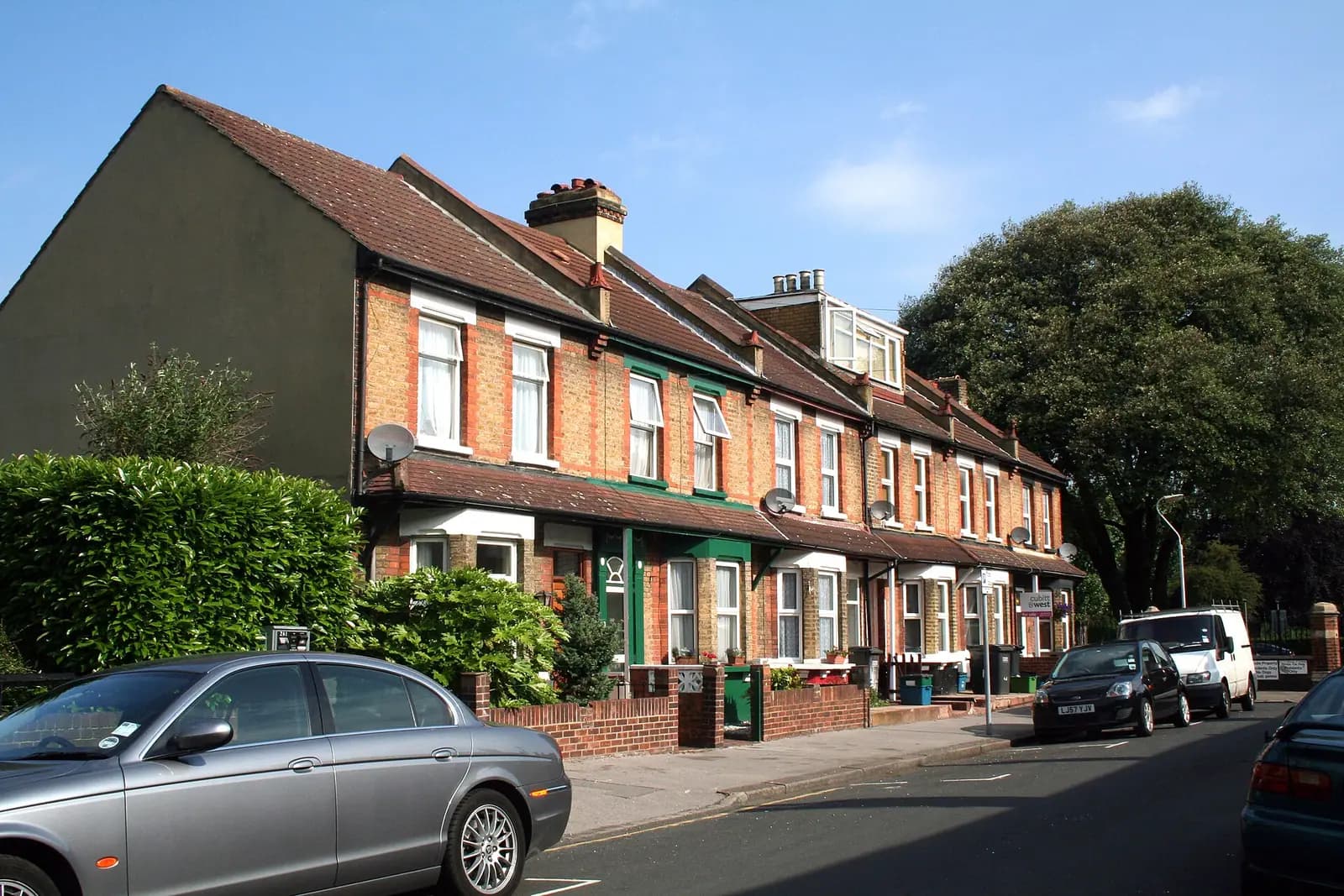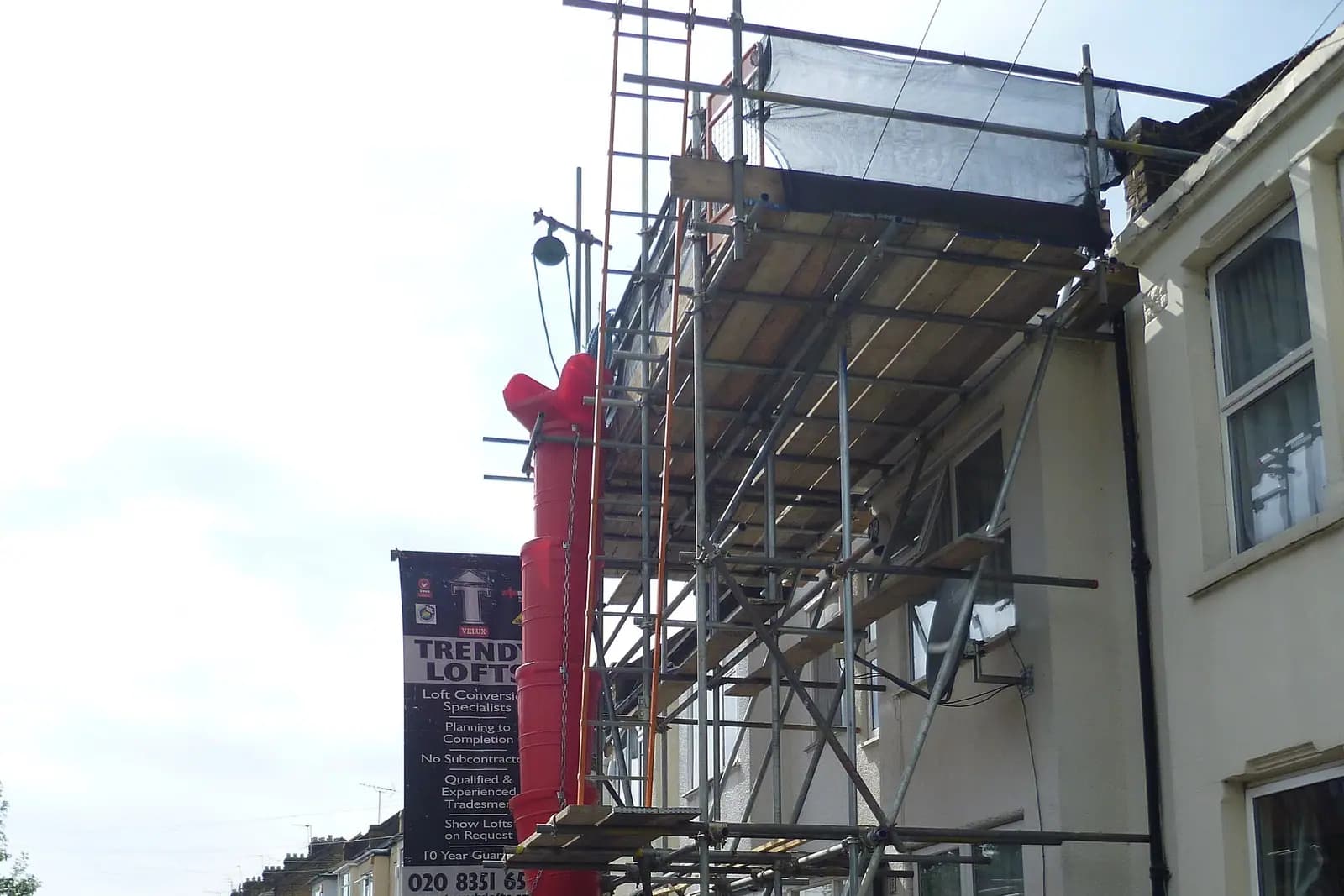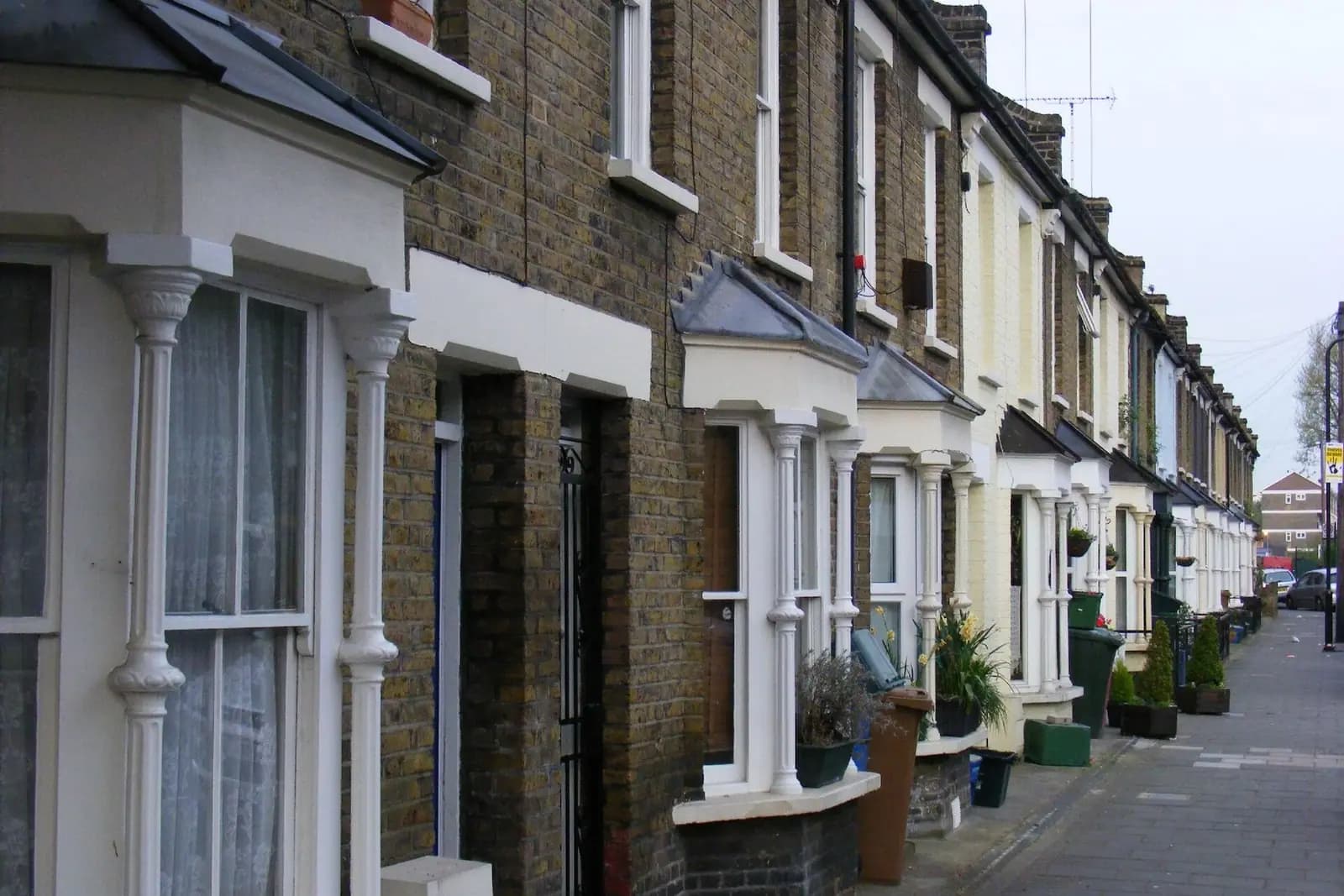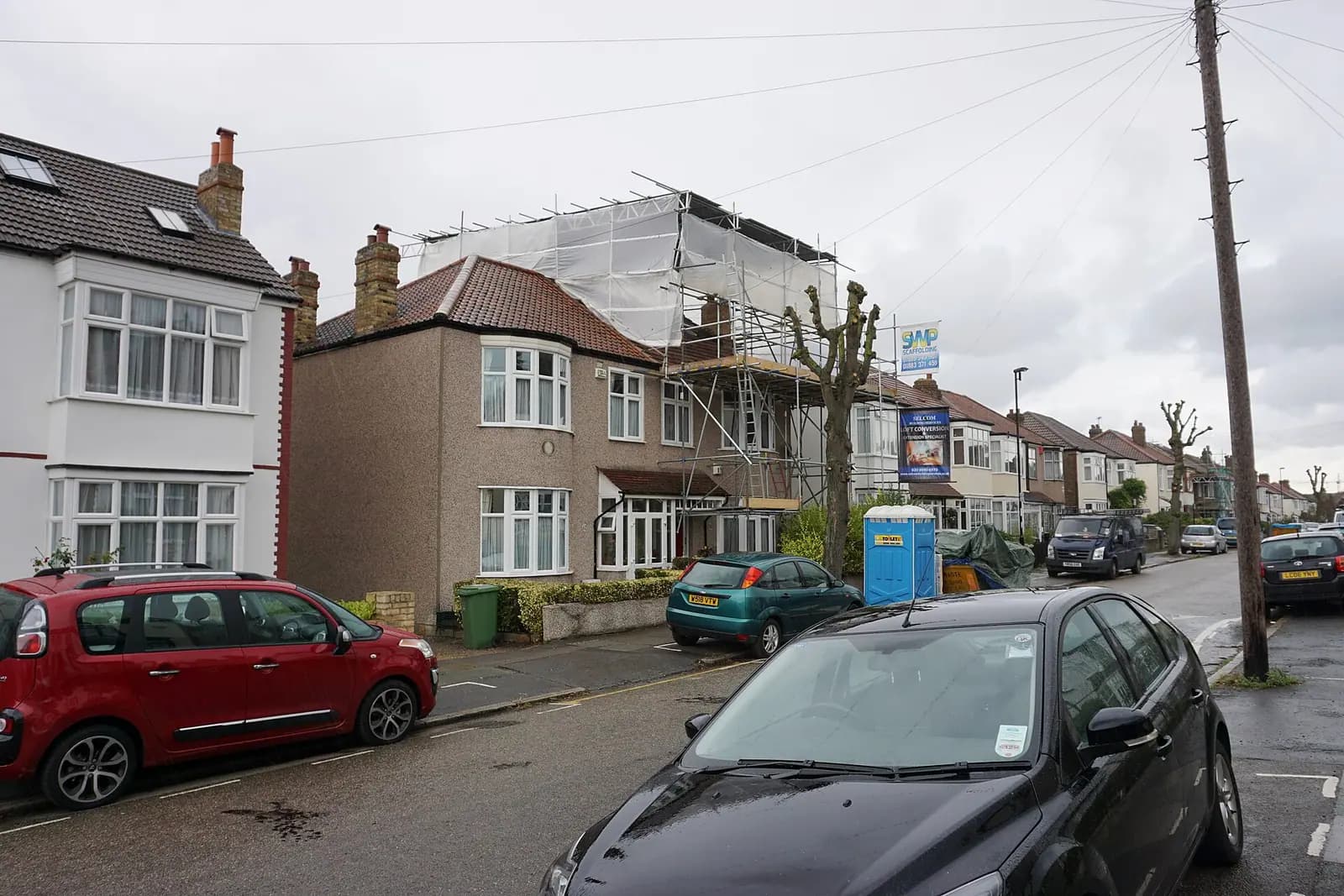
A loft conversion in Norbury that fits within permitted development needs a certificate of lawfulness, which we prepare for from £695, survey included, plus Croydon's £274 fee. A loft that needs a householder application is £795 with us, plus Croydon's £548 fee. Which one you need depends mostly on one question: is your house on the Norbury Estate or not?
On this page
- Is my Norbury house on the Norbury Estate?
- Can I convert my Norbury semi without planning permission?
- What can I do to the roof of a Norbury Estate cottage?
- Do Norwood Grove or Norbury's local heritage areas change the answer?
- What does Croydon ask for, and how long does it take?
- What does a Norbury loft cost with us?
- Frequently asked questions
Is my Norbury house on the Norbury Estate?
The Norbury Estate is the grid of cottage streets between London Road and the Merton boundary, including Northborough Road, Tylecroft Road, Newlands Road, Palmers Road, Isham Road, Darcy Road and Norton Gardens. Some houses on Tylecroft, Palmers and Northborough Roads face the estate from just outside its boundary, so the map, not the street name, decides. Croydon's management plan describes it as one of the earliest London County Council cottage estates and the first built outside the LCC's own boundary. The land was bought in 1901, building began from London Road, and by January 1908 145 cottages were complete, 240 by February 1910 (Norbury Estate CAAMP). A second phase after the First World War used the sloping ground around Isham Road for a picturesque quadrangle.
The rest of Norbury grew around it. The same plan notes that the wider area saw a vast amount of mostly private development in the first decades of the 20th century. Those streets of terraces and semi-detached houses are where most Norbury loft conversions happen, and they are outside the conservation area.
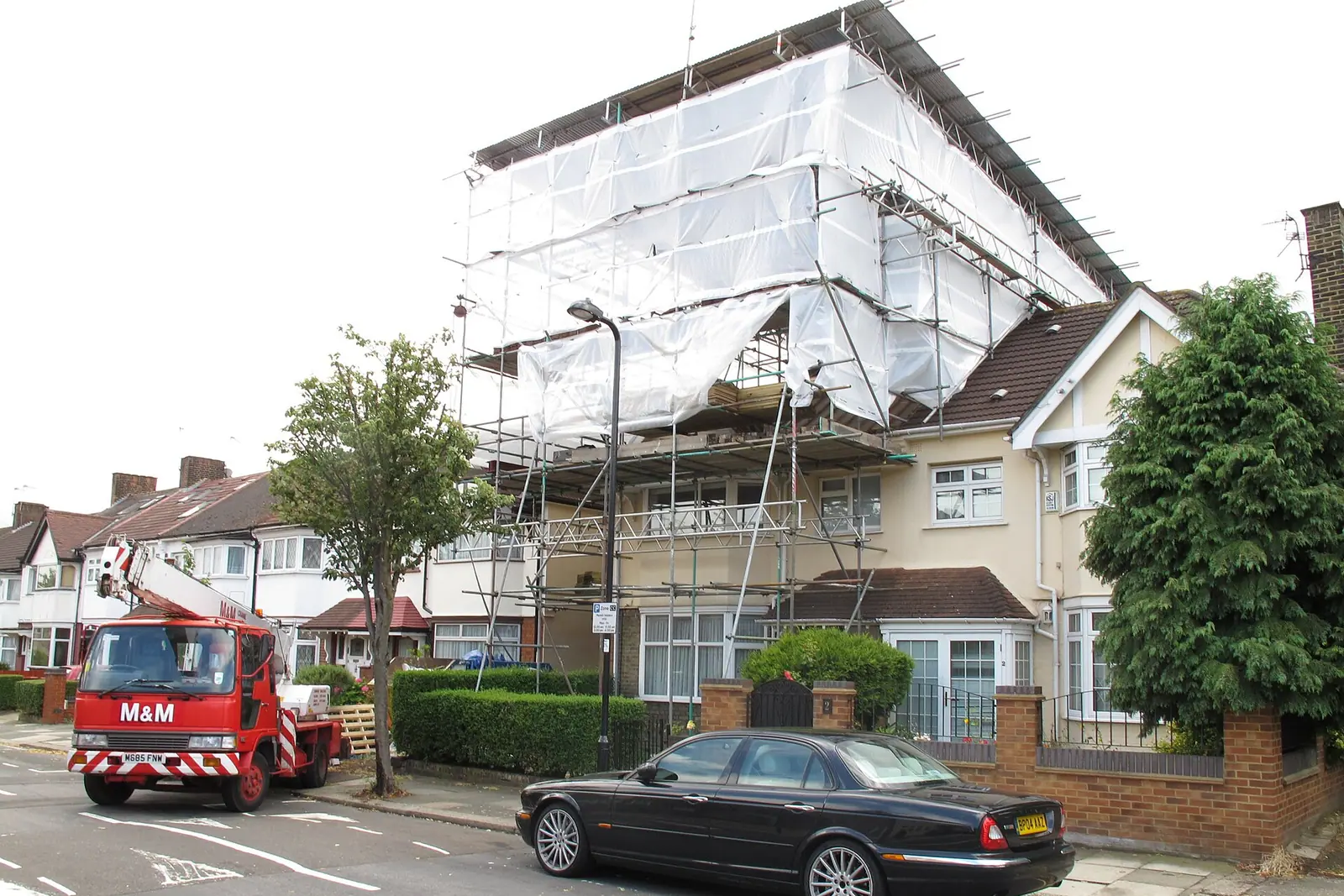
Can I convert my Norbury semi without planning permission?
Usually, if the roof stays within the volume limit and the house is outside a conservation area. Permitted development allows up to 50 cubic metres of extra roof space on a semi-detached house and 40 on a terrace, measured against the original roof. A dormer must not face the road, must stay below the ridge, and should keep about 0.2m back from the eaves where practicable (MHCLG technical guidance).
On a semi with a hipped roof, the usual Norbury loft is two parts: a hip-to-gable, which squares off the side of the roof and gives room for the stair, and a rear dormer across the back. Both count towards the 50 cubic metres. We calculate the volume from the survey and show the sum on the drawings, because a hip-to-gable on a wide semi can use a large share of the allowance before the dormer is added.
Earlier work counts too. If a previous owner added a dormer or roof extension, its volume comes off the allowance. And a flat has no permitted development rights at all, so a loft in a converted Norbury house always needs an application.
What can I do to the roof of a Norbury Estate cottage?
Much less. Croydon designated the estate a conservation area in December 2008, and its management plan says front, side and roof extensions will generally not be considered acceptable, because of their impact on individual buildings, the group value of the terraces and the consistent pattern of roofscapes. It adds that the council will seek to resist dormers on roofscapes visible from the street, and that re-roofing should be in natural slate or plain clay tiles, with original tiles reused on street-facing slopes.
Two things about the estate's layout make that rule bite harder than owners expect:
- Squares and gables. Three squares, each about 30m wide, open onto Isham, Northborough and Tylecroft Roads, and many terraces end in street-facing gables, so a back or side roof slope can be in plain view from a square or side street. "Visible from the street" is a question about your plot, not just your front.
- Small houses. The plan records that the cottages had between three and five rooms, so the roof spaces are small. A rooflight scheme for storage or a study is often the realistic outcome.
In a conservation area a roof extension is not permitted development, so any dormer needs a householder application with a heritage statement. The Thornton Heath loft post covers the estate briefly from the south; here the point is simpler: check the map before you pay for a dormer design. The plan also notes many estate homes are still in council ownership; a tenant needs the landlord's consent before any of this.
Do Norwood Grove or Norbury's local heritage areas change the answer?
Norwood Grove is Croydon's other conservation area at Norbury, designated in October 2008 around the grade II registered landscape of Norwood Grove, with listed and locally listed Georgian and Edwardian houses, next to Lambeth's Streatham Common conservation area (Croydon). A house there loses the permitted development route for its roof, like the estate.
Croydon's local heritage areas in Norbury, London Road (Norbury) and Pollards Hill South (Croydon review), are different. Croydon says they add no consent requirement and do not affect permitted development rights (Croydon). A semi in Pollards Hill South can use the same 50 cubic metre route as any other.
What does Croydon ask for, and how long does it take?
Croydon's May 2026 validation list asks for a flood risk assessment with every application, even far from any river; for householder work that is a brief statement and a check of the flood maps. It also wants long and short sections, a block plan at 1:200 or 1:500, photographs in a separate confidential document, and no "do not scale" notes (Croydon validation list). We include all of it.
Croydon aims to decide 8, 13 or 16 weeks after validation, depending on the application, and writes within 5 working days if anything is missing (Croydon).
What does a Norbury loft cost with us?
| Your loft | Route | Our fee | Council fee |
|---|---|---|---|
| Hip-to-gable and rear dormer on a semi, within 50 cubic metres | Certificate of lawfulness | from £695 | £274 |
| Over the limit, a flat, or on the Norbury Estate or in Norwood Grove | Householder or full application | £795 | £548 for a house |
| Building regulations drawings, every route | Building regs | £695 | Set by building control |
The package from £1,395 covers planning, building regulations and structural calculations together. Party wall notices go to any attached neighbour.
An illustrative example, not a real job: a 1920s-style semi on a street east of London Road, outside the estate, with a hipped roof. The survey gives the original roof volume; the hip-to-gable and a full-width rear dormer together come to about 46 cubic metres, so the scheme goes in as a certificate of lawfulness with the volume sum on the drawings and a brief flood statement attached.
More on the borough: planning drawings in Croydon, certificates of lawfulness in Croydon and our Croydon page. Across the boundary, the Streatham post covers Lambeth's rules.
Frequently asked questions
Does a hip-to-gable loft in Norbury need planning permission? Not usually on a semi outside a conservation area, if the hip-to-gable and any dormer together add no more than 50 cubic metres. A certificate of lawfulness proves it.
Can I add a dormer on the Norbury Estate? Croydon will seek to resist dormers on roofs visible from the street there, and treats roof extensions as generally unacceptable. Any dormer needs an application.
Is Pollards Hill South a conservation area? No. It is a local heritage area, which Croydon says adds no consent requirement and leaves permitted development rights in place.
Why does Croydon want a flood statement for a loft? Its validation list asks for a flood risk assessment with every application; for householder work a brief statement is enough.
If the application goes through the Planning Portal, the Portal adds its own service charge: nothing, £99 or £149 including VAT, depending on the application type and complexity, paid to the Portal at submission and not normally refunded with a council fee (Ashford Borough Council, Planning Portal service charges, 11 September 2026). It is not ours and not the council's. Other submission routes exist; where your council accepts one without a charge, we can use it.