No. An extension, a loft conversion, a side return infill, a garden room or other works to an existing house are covered by the householder exemption, so mandatory biodiversity net gain (BNG) does not apply. The answer changes if the house is really flats, if you are converting it into flats, or if you are building a new home in the garden. Those are not householder schemes, though since 6 August 2026 most small London sites fall under a new 0.2 hectare exemption instead. Exempt or not, many London councils still want the application to say which exemption applies and why. Where BNG does apply, an ecologist or other competent person completes the biodiversity metric; we do not.
On this page
- What is biodiversity net gain?
- Why is a house extension exempt?
- Which small London projects are not exempt as householder schemes?
- What are the de minimis and 0.2 hectare exemptions?
- If my project is exempt, what do I still have to submit?
- What do our drawings do, and who completes a BNG metric?
- Frequently asked questions
What is biodiversity net gain?
BNG is the rule that a development must leave the land's habitat in a measurably better state than before. It sits in Schedule 7A of the Town and Country Planning Act 1990, inserted by the Environment Act 2021. Development that is caught must deliver at least a 10% increase in biodiversity value, measured with the statutory biodiversity metric, and significant on-site gains must be maintained for at least 30 years. It applies as a condition of the planning permission: work cannot start until a biodiversity gain plan is approved.
It only bites on planning permissions granted on an application. Permitted development, granted by a development order, is outside it, so a loft or rear extension built under permitted development rights never meets BNG at all.
Why is a house extension exempt?
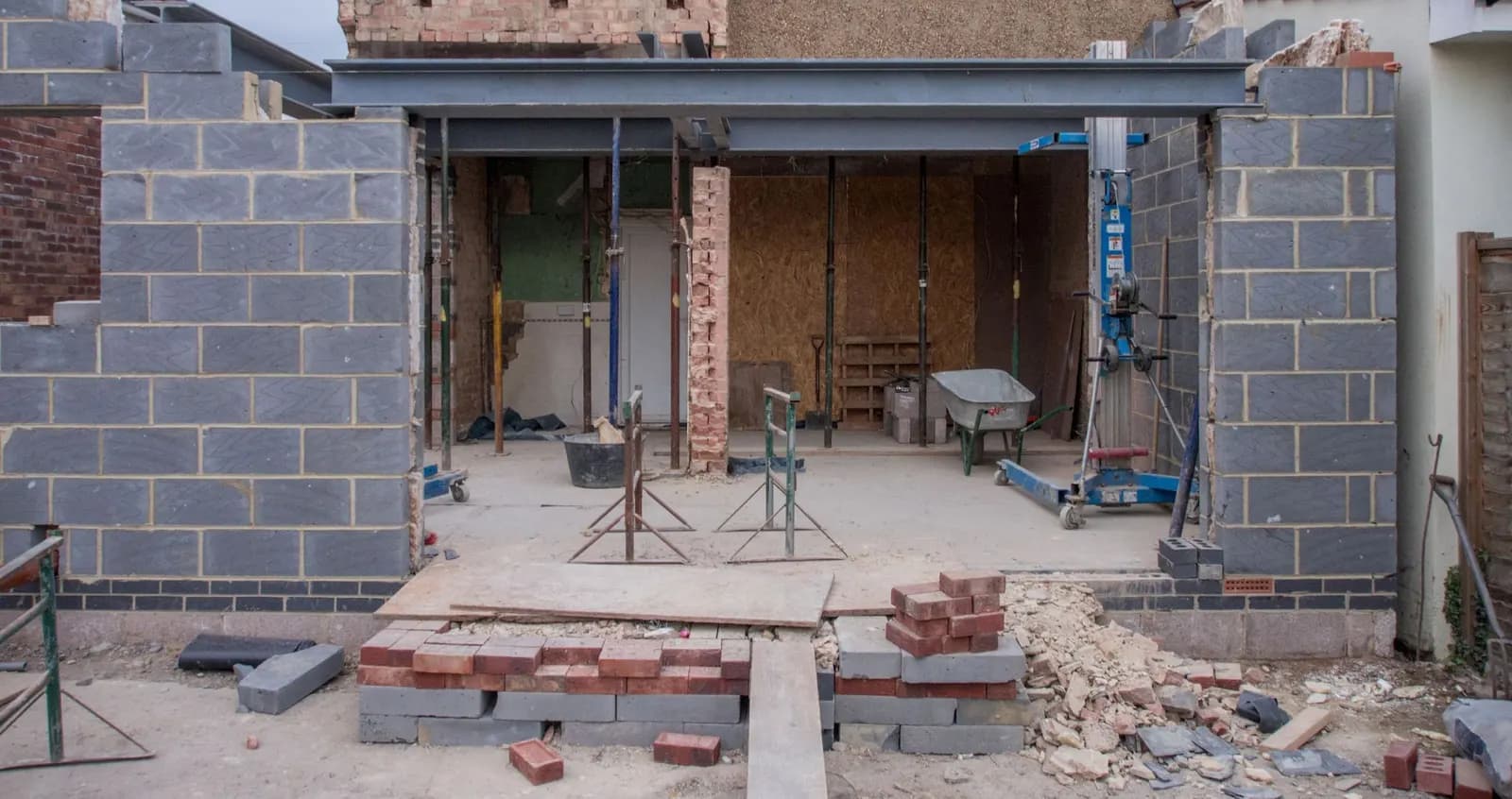
Householder applications are on Defra's list of exempt developments. Defra's own explanation is plain: the exemption applies to development to an existing house, including within its garden, and its example is a side return. That covers the projects most London owners apply for: rear and side extensions, wraparounds, dormers and mansards, porches, and outbuildings in the garden.
On the application you state that the householder exemption applies. No metric and no ecologist are needed for BNG.
Which small London projects are not exempt as householder schemes?
Defra's explanation also says what the householder exemption does not cover: changing the use of a house, and changing the number of dwellings in a building. And because it is about a house, flats are not part of it. This is where London differs from much of the country, because so many Londoners live in flats and converted houses.
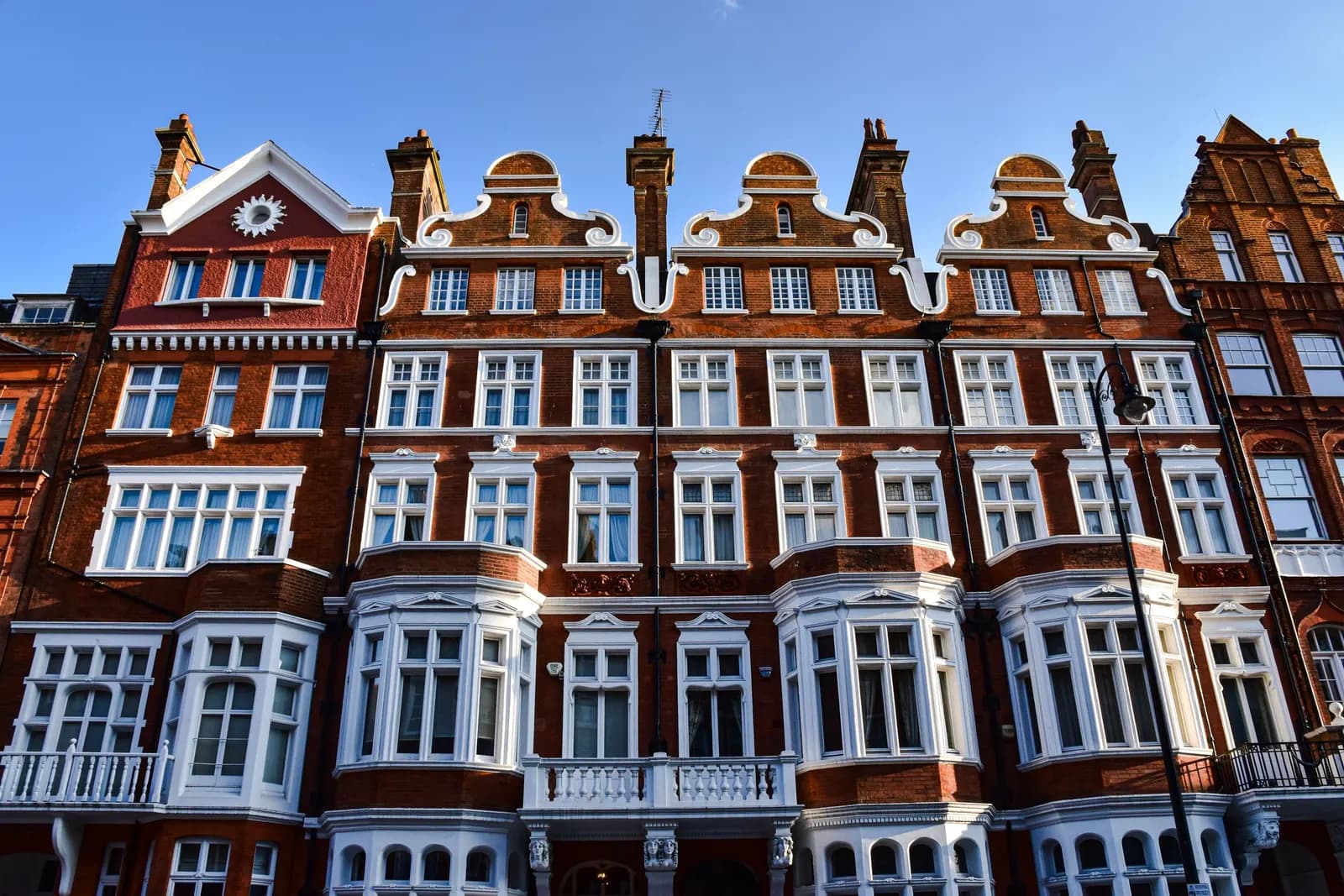
- Extending a flat. A ground-floor flat in a converted Victorian terrace building out into its garden is not a householder application. Brent's guidance, written in January 2025, told flat owners whose works affected more than 25 m² of land that they had to achieve 10% BNG.
- Converting a house into flats. This changes the number of dwellings, so the householder exemption does not apply.
- A new home in the garden. A mews house, a backland bungalow or a home built on a side garden is a new dwelling, not householder development.
For each of these, two other exemptions now usually decide the answer.
What are the de minimis and 0.2 hectare exemptions?
De minimis. BNG does not apply where the development affects less than 25 m² of on-site habitat (about 5 m by 5 m) inside the red line, or less than 5 m of hedgerow or other linear habitat. Defra counts an impact as anything that lowers the habitat's biodiversity value. A flat's rear extension built mostly over an existing patio may fall under this.
The 0.2 hectare small-site exemption. For applications made from 6 August 2026, BNG does not apply where the whole site within the red line is 0.2 hectares (2,000 m²) or less. Defra's blog confirms the area includes hardstanding. Almost every London flat extension, house conversion and garden plot is well under that size.
The catch in both is priority habitat. If the work affects a priority habitat on the site, the de minimis and 0.2 hectare exemptions fall away and BNG must be met. Priority habitats are the ones listed under section 41 of the Natural Environment and Rural Communities Act 2006, such as traditional orchards, some ponds and certain types of woodland. That is uncommon in a London back garden, but a large rear garden backing onto woodland or water deserves a check.
One other change from 6 August 2026 matters to people building their own home: the self-build and custom build exemption has gone for new applications, so a self-build plot now relies on the 0.2 hectare or de minimis tests like everyone else. Brent's 25 m² figure above was written before the 0.2 hectare rule existed, so on a new application today most of those flat extensions will be exempt.
If my project is exempt, what do I still have to submit?
Less than people fear, but not nothing:
- Answer the BNG question. Richmond's checklist notes that the standard application forms include the national BNG questions; on an exempt scheme you state which exemption applies.
- Say why, where the council asks. Tower Hamlets requires a BNG statement of exemption explaining the reason. Richmond's checklist, adopted in February 2026, says that even where you believe you are exempt you must explain the reason and give supporting evidence.
- Expect a question about wildlife features. Richmond does not ask householder applications for its ecological enhancement statement, but says they are still expected to deliver enhancements where feasible, such as planting or a bird or bat box. The August 2026 National Planning Policy Framework pulls the other way on gains: policy N2 tells decision-makers not to give weight to local policies requiring biodiversity gains beyond the statutory framework, including for exempt proposals. Simple features remain welcome; a demand for a measured gain on an exempt extension is worth questioning.
Separate from BNG, protected species law still applies to every scheme. A roof with bats or a garden pond with newts needs an ecologist whatever the BNG position.
What do our drawings do, and who completes a BNG metric?
We do not complete biodiversity metrics, biodiversity gain plans or ecological reports. Where BNG applies, Richmond's checklist says the statutory metric should be completed by a competent person such as a qualified ecologist; the small sites metric needs a competent person but not necessarily an ecologist.
Our complete planning drawing service, at £795, covers the parts BNG depends on: a measured survey, existing and proposed drawings, and a block plan with the red line drawn accurately, because both the 25 m² and 0.2 hectare tests are measured inside that line. We complete and submit the application forms, including the BNG question. If your council's list asks for a written exemption statement, whether we prepare it is confirmed at the quote stage. If you are converting a house, our house to flats guide covers the planning side; the reports we sell, with prices, are on our planning reports page.
Frequently asked questions
Does a garden room or outbuilding need BNG? If it needs planning permission at all, it is usually a householder application, so it is exempt. Many garden rooms are permitted development and need no application.
My house is in a conservation area. Does that change the BNG answer? No. A conservation area changes what needs planning permission and may add a heritage statement, but the householder exemption still applies.
Is a basement extension exempt? Under a house, yes, as householder development. Under a flat, it falls to the de minimis or 0.2 hectare tests.
Could the rules change again? Yes. In April 2026 Defra said it expected further exemptions later in the year, and its consultation on an exemption for some brownfield housing closed on 10 June 2026. Check the date of any BNG advice you read.