Yes. Government guidance says anyone can apply for planning permission on any plot of land, whether or not they own it, provided the owners are told and the correct certificate is signed (MHCLG, paragraph 027). You do not need an agent, a qualification or a membership. What you do need is a complete, consistent application, because an incomplete one is not refused, it simply never starts.
On this page
A householder application costs £548 in council fees. If you would rather do some of it yourself and hand over the rest, our application pack is £295 and submission with officer queries is £195.
What does a valid application need?
Five things, plus whatever your council adds. The national requirements are the application form, the plans and drawings, the ownership certificate and agricultural land declaration, the fee, and for some applications a design and access statement or a fire statement (MHCLG, paragraph 022). On top of that, each London borough publishes a local list, and an item only counts towards validity if it is on that published list.
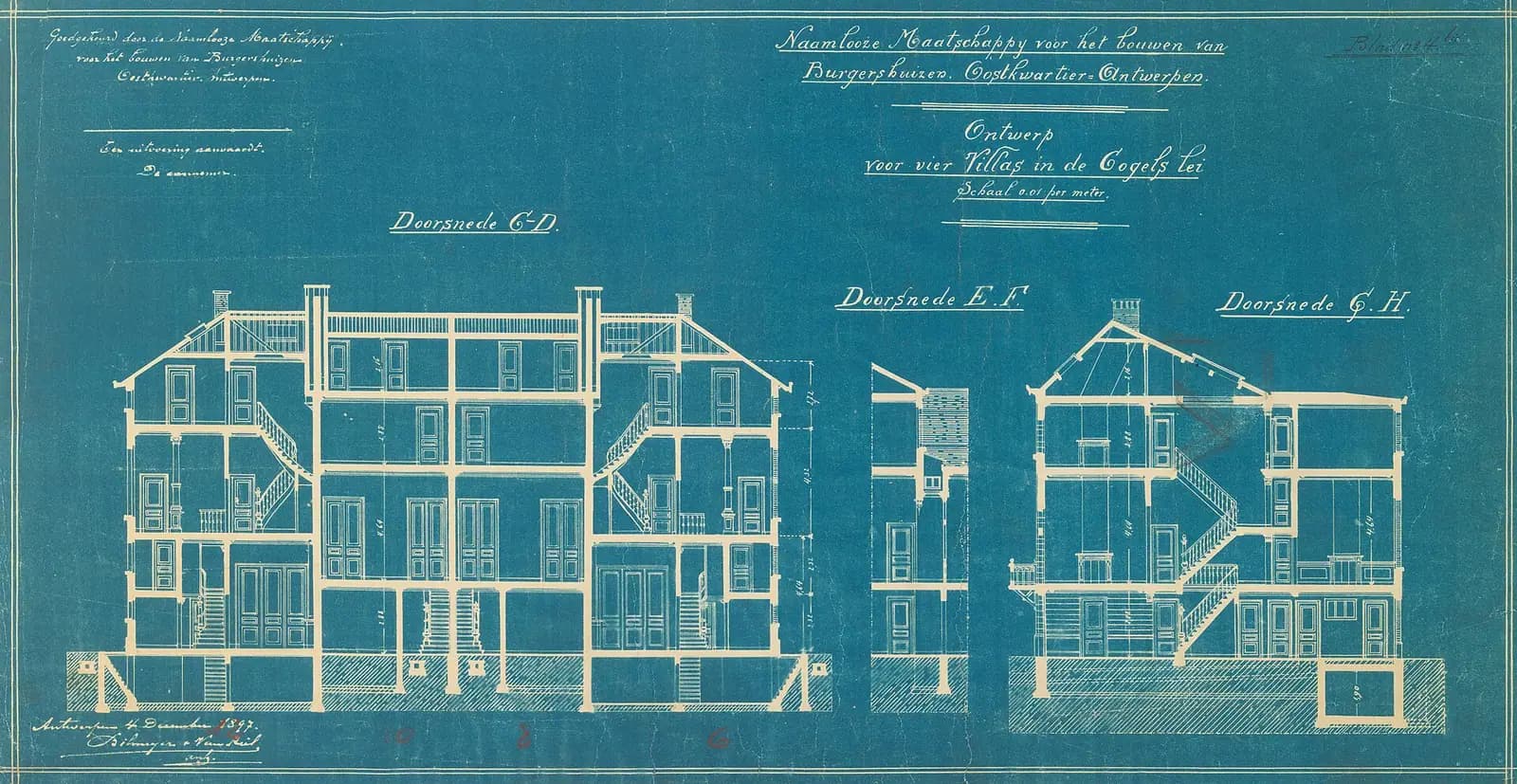
The drawings carry most of the risk. Every plan and drawing must be to an identified scale, and plans must show north (paragraph 023). The location plan, usually at 1:1250 or 1:2500, must have the site edged clearly in red, with a blue line round any other land you own nearby (paragraph 024). For a householder extension you will normally also need existing and proposed floor plans and elevations, and often a section; our post on what planning drawings include lists the full set.
The form itself asks for a description of the work, the site address, the materials, and whether the site is in a flood zone or has trees near the work. Write the description plainly and completely, such as "single-storey rear extension and rear dormer", because the decision notice repeats it and a vague description causes trouble later, when a buyer's solicitor compares the notice with the house.
Which ownership certificate do you sign?
The one that matches who owns the land. Certificate A is for sole ownership. Certificate B is where there are other owners and you know them all, C where you know some, and D where you know none (paragraph 025). An owner means anyone with the freehold or a lease with at least 7 years left (paragraph 026).
This is the most common do-it-yourself mistake in London, because so many homes are leasehold flats. If you own a flat on a 99 or 125-year lease, the freeholder is also an owner, so you sign Certificate B and serve notice on them, not Certificate A. The owners who count are those holding an interest on the day 21 days before you apply (DMPO 2015, article 13), so notice goes out before submission, not after. You also sign the agricultural land declaration, which for a London house almost always says there are no agricultural tenants.
How do you submit and pay?
Most people use the Planning Portal, the national online service. Councils are told to encourage electronic applications (paragraph 017). Through the Portal you pay the council fee and, where that fee is over £100, a Planning Portal service charge of £99 or £149 depending on the application type, which is generally not refunded with the council fee (Ashford Borough Council, 11 September 2026). The same notice says the charge is optional, because other routes of submission are available.
What those other routes are depends on the borough. The City of London accepts applications in paper format or electronically, while saying it prefers the Portal (City of London). Planning Aid for London's guide, last updated in March 2023, notes that paper applications may need three or four copies of everything (Planning Aid for London). Check your own borough's page before posting anything, and keep proof of what you sent and when.

Where do self-submitted applications get stuck?
At validation. The 8-week clock only starts once the council has the fee, documents and information it needs to validate the application (paragraph 053). Until then you are waiting, often for a letter listing what is missing. Gaps that commonly hold up a London householder application include:
- a location plan where the red line does not reach the road, or does not include the garden the extension sits in;
- elevations that do not match the floor plans, such as a window on one and not the other;
- a missing item from the borough's local list, such as a heritage statement in a conservation area;
- the wrong ownership certificate on a flat.
If you think the council is asking for something it is not entitled to, you can dispute it with an article 12 notice, and if the council still will not validate, there is a route to the Planning Inspectorate (paragraphs 049 and 050). Once validated, a non-major application still undecided after 16 weeks, with no appeal or agreed extension, has its fee refunded (MHCLG, Determining a planning application, paragraph 004).
What can we do instead of the whole service?
Any part of it, at a published price. If you have drawn the scheme yourself, or have drawings from someone else, the application pack is £295: the forms, the certificate, the location and block plans and any statement the local list asks for. If you have the whole application ready and want someone to submit it and deal with the officer, submission and agent service is £195. If you need the drawings, proposed drawings are £395, drawn over an accurate existing set.
Bought together, the parts cost more than the complete service, which is £645 drawings + £150 survey (£795 total) with the survey, both drawing sets, the pack and submission. The council fee is separate in every case and is paid to the council.
Frequently asked questions
Is a self-submitted application judged differently? No. The council assesses the proposal against its policies. Who filled in the form does not change the decision, though a clear, complete application is easier for an officer to read.
Can I draw the plans myself? Yes, if they are to an identified scale, show north and match the house. Hand drawings are acceptable in principle, but they must be accurate and consistent across every sheet.
Do I have to tell my neighbours myself? Not usually. The council publicises the application with a site notice or letters. You only serve notice yourself on other owners of the land, such as a freeholder.
What if my application is refused? The refusal notice gives the reasons. A householder appeal must be made within 12 weeks of the decision date, and the council fee is payable again on a fresh application.
Can you check my own application before I submit it? A check on its own is not on our price list. If you buy the application pack or the submission service, we work from your drawings, and anything they need before submission is confirmed at the quote stage.