Yes, you need listed building consent for internal alterations in London whenever the inside work would affect the building's character as a listed building. Section 7 of the Planning (Listed Buildings and Conservation Areas) Act 1990 requires consent for works to alter a listed building "in any manner which would affect its character", and listing covers the interior as well as the front. Taking out a wall, re-plastering, blocking a fireplace or lifting floorboards can all need consent before anyone starts.
On this page
- What internal alterations need listed building consent in London?
- Is internal work without listed building consent a criminal offence?
- What drawings and documents does a listed building consent application need?
- What if I think the work does not affect character?
- How do I find out what is listed about my house?
- What do the documents for listed building consent cost?
- Frequently asked questions
| Inside job | Needs consent? | Why |
|---|---|---|
| Painting, like-for-like repair in matching materials | Not where historic fabric is untouched | Character is not affected |
| Re-plastering, new openings, removing walls | Yes, on Kensington and Chelsea's list | Historic fabric and plan form change |
| Removing cornices, skirtings, fireplaces, doors, floorboards | Yes, on Kensington and Chelsea's list | Decorative features are part of the interest |
| Suspended ceilings, recessed lighting | Yes, on Kensington and Chelsea's list | Ceilings and joists are cut or hidden |
| A new kitchen against modern partitions | Test it, or ask for a section 26H certificate | Depends on what the list entry protects |
The Act has no list of exempt internal jobs. The answer turns on what is special about your building, so the list entry is the first thing to read.
What internal alterations need listed building consent in London?
Internal alterations that touch historic fabric or the plan form need listed building consent in London. Kensington and Chelsea, which has over 3,800 listed buildings, names them on its own page: re-plastering; removing or adding cornices, skirtings, fireplaces, internal doors and architraves; removing floorboards; new openings within walls; suspended ceilings; recessed lighting; and, on a larger scale, removing internal walls.
Other boroughs apply the same section 7 test, even where their pages are shorter.
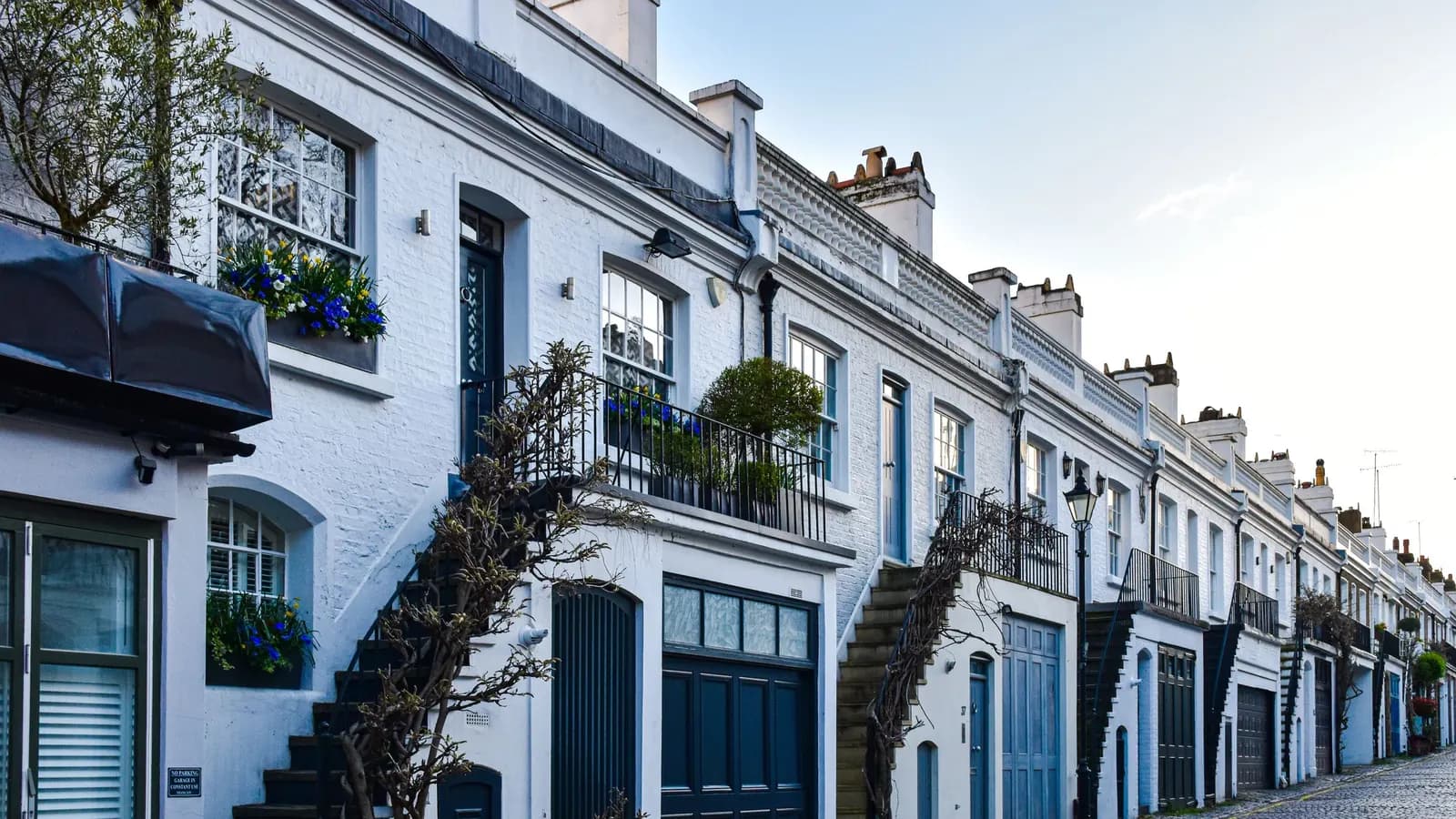
Jobs on a listed London terrace that can fall inside the test:
- knocking the front and back reception rooms on the ground floor into one;
- moving a kitchen to the basement front vault, or a bathroom into a principal bedroom;
- secondary glazing, shutters taken out, or sash boxes altered;
- new services cut through historic floors, ceilings or panelling;
- removing a stair balustrade or changing the stair position.
The listing also reaches objects fixed to the building and, under section 1(5), structures in the curtilage that have formed part of the land since before 1 July 1948, unless the list entry excludes them. A garden wall or a mews outbuilding behind a listed house can be caught.

Is internal work without listed building consent a criminal offence?
Internal work without listed building consent is a criminal offence. Under section 9 of the 1990 Act, carrying out works that needed listed building consent without it is an offence, and so is breaking a condition of a consent. On summary conviction the penalty is up to six months' imprisonment or a fine, or both; on conviction on indictment, up to two years or a fine, or both. Kensington and Chelsea's page says both the owner and the person who carried out the works will be liable.
Ordinary planning works differently: unauthorised development is a breach the council can enforce against, not a crime in itself. The section 9(3) defence is narrow. The works must have been urgently necessary for safety, health or the building's preservation, limited to the minimum, and justified in writing to the council as soon as reasonably practicable. A builder's assurance that "it's only inside" meets none of that.
What drawings and documents does a listed building consent application need?
A listed building consent application for internal works needs scaled plans, a design and access statement and an account of the building's significance. It is a separate application from planning permission; the two go in together when a job also includes an extension. For internal works alone, plan on:
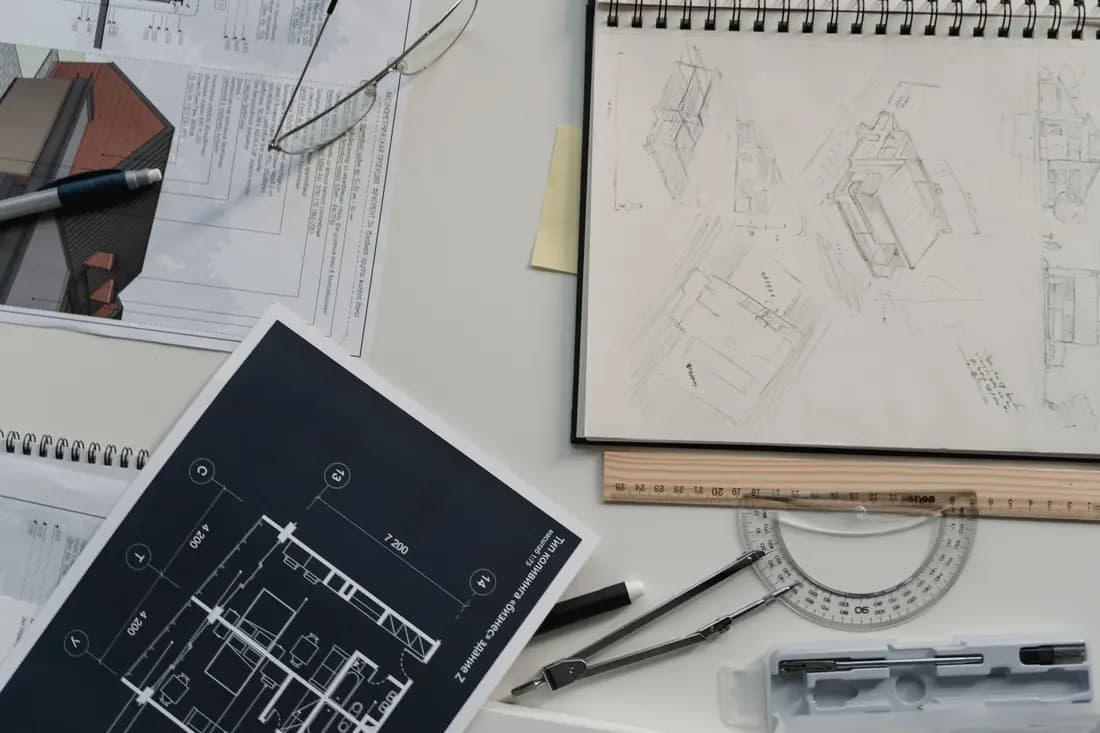
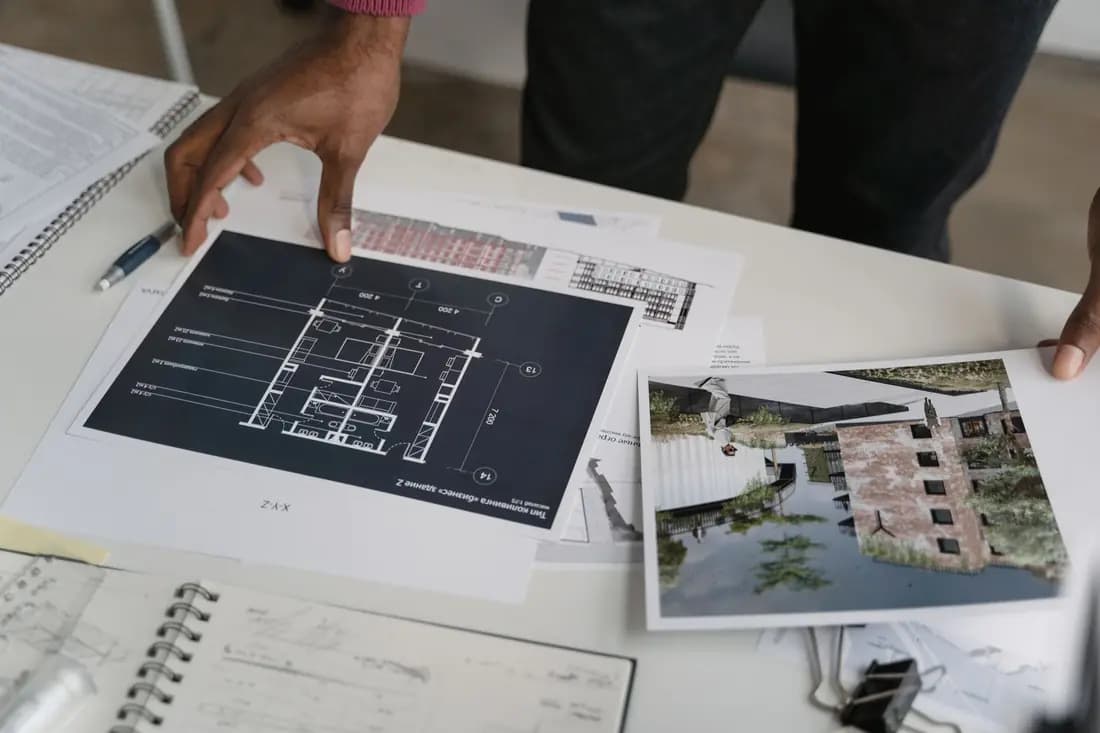
- Existing and proposed floor plans of every room touched, marking each wall, opening, fireplace and feature to be removed or altered. Plans must be drawn to an identified scale and show north (planning practice guidance, paragraph 023).
- Sections or elevations where a ceiling, floor or stair changes.
- Large-scale details of new joinery, cornice repairs or opening heads, at the scale your borough's local validation list asks for.
- A design and access statement, required for every listed building consent application (paragraph 030). Paragraph 032 says it must take account of the building's special architectural or historic importance and the physical features that justify its listing.
- A heritage statement describing what is significant and how each change affects it. Our guide to heritage statements for conservation area extensions covers what that document must address.
- Photographs of each affected room and feature, and a schedule of works.
For instance (an invented case, not a real job), an owner of a Grade II house wants to open the ground-floor front and back rooms into one. The set would show the existing plan with the spine wall, cornice and both chimney breasts, a proposed plan with the opening and retained nibs, a section through the new beam, and a detail of how the cornice returns at the opening.
What if I think the work does not affect character?
A certificate of lawfulness of proposed works under section 26H lets the council confirm in writing that the works would not affect the building's character as a building of special architectural or historic interest. Works carried out within 10 years of the date of issue are conclusively presumed lawful, unless the certificate is revoked. The section has applied to listed buildings in England since 6 April 2014.
It suits modest jobs where you want certainty without a full consent case, such as a kitchen refit against modern partitions in a later rear wing. If the council is not satisfied it refuses the certificate, and you then apply for consent knowing the officer's objection. Our certificate of lawfulness service covers planning certificates; a section 26H listed works certificate is a different application, so ask us before booking.
How do I find out what is listed about my house?
Search the National Heritage List for England, kept by Historic England, for your entry, then read the description and the listing date. Some older entries describe only the front, but the protection still covers the whole building, and section 1(5) also brings in fixtures and pre-1948 curtilage structures. A short description does not mean the interior is unprotected. Your borough's conservation officer reads the entry alongside the house itself, and so does our heritage statement service.
What do the documents for listed building consent cost?
Our heritage statement is from £565, and a design and access statement is from £235; both are from-prices, set once we have seen the list entry and the rooms involved. Scaled existing drawings are £395 plus the measured survey, which is separate, and proposed drawings £395. Our heritage statement cost guide sets out what the statement fee covers.
If the inside works sit within a conservation area job that also changes the outside, see what drawings a conservation area application needs.
Work out your fee
FFP-01 · Rev Aor email hello@fixedfeeplans.co.uk
No obligation. Nothing is sent until you ask; your enquiry comes to us and nowhere else.
Frequently asked questions
Do I need consent to replace a kitchen or bathroom in a listed house? Not always. Replacing modern units in the same place without touching historic fabric may not affect character. Moving the room, cutting new service runs through old floors or removing features can. Ask the council, or apply for a section 26H certificate, before you order units.
Does a Grade II listing protect the inside, or only the higher grades? Every grade protects the whole building. The grade reflects importance, not how much of the building is covered.
Can I get consent after the work is done? Talk to the council's conservation officer first. The section 9 offence is committed when the work is done without consent, so a later application is about putting the building right, not undoing the offence.
My builder says it is only redecoration. Is that safe? Painting over existing finishes is redecoration. Re-plastering, removing cornices or replacing old doors are on Kensington and Chelsea's list of works that need consent. If in doubt, write to the conservation officer before work starts.