Heritage statement · London Borough of Lambeth
Heritage statement in Lambeth, from £565 fixed
Lambeth calls it a Statement of Heritage Significance and asks for four things: significance, impact, a mitigation strategy and, where there is harm, a justification. It must draw on the Greater London Historic Environment Register, and it covers locally listed buildings and Archaeological Priority Areas as well as conservation areas.
or email hello@fixedfeeplans.co.uk
No obligation. Nothing is sent until you ask; your enquiry comes to us and nowhere else.
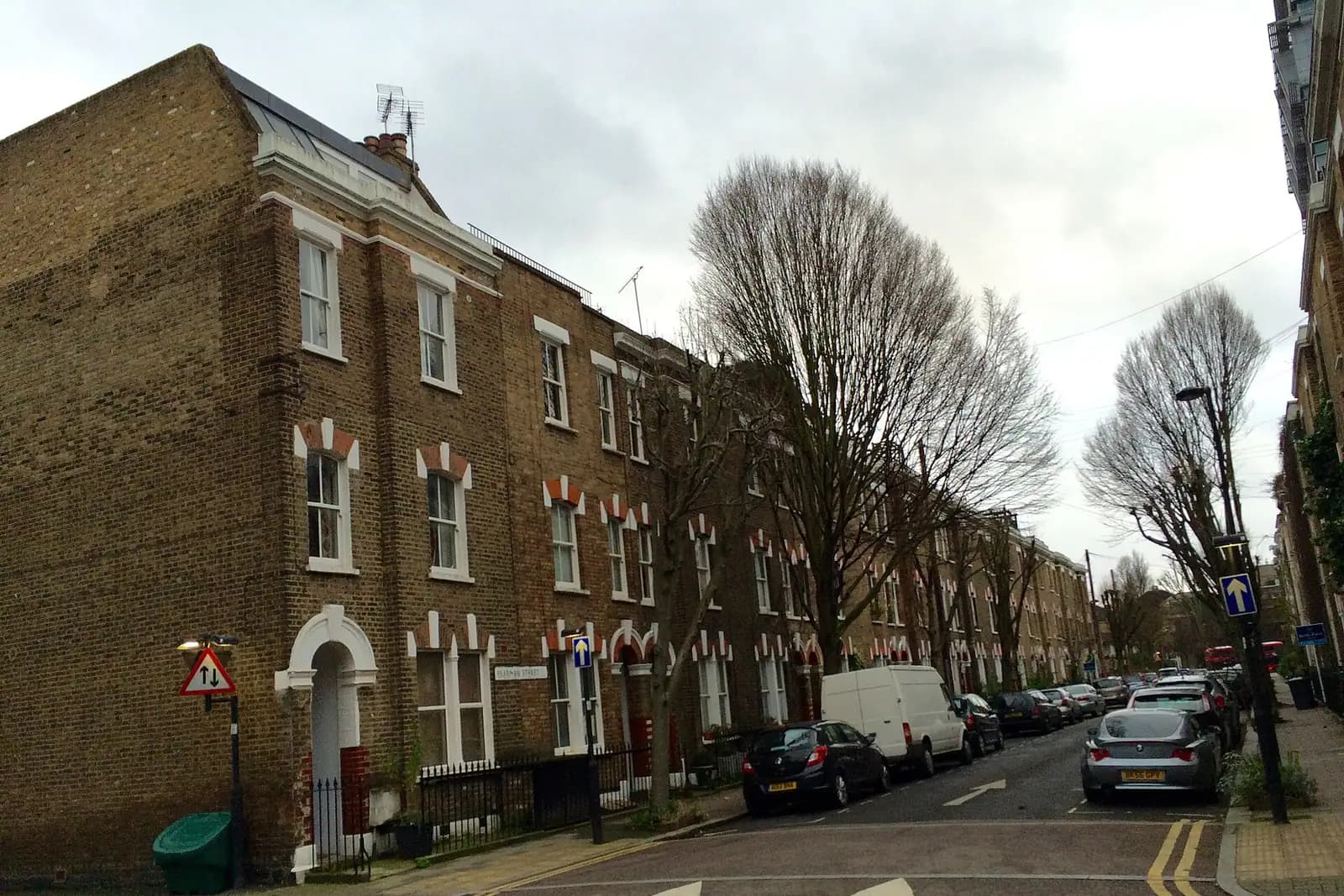
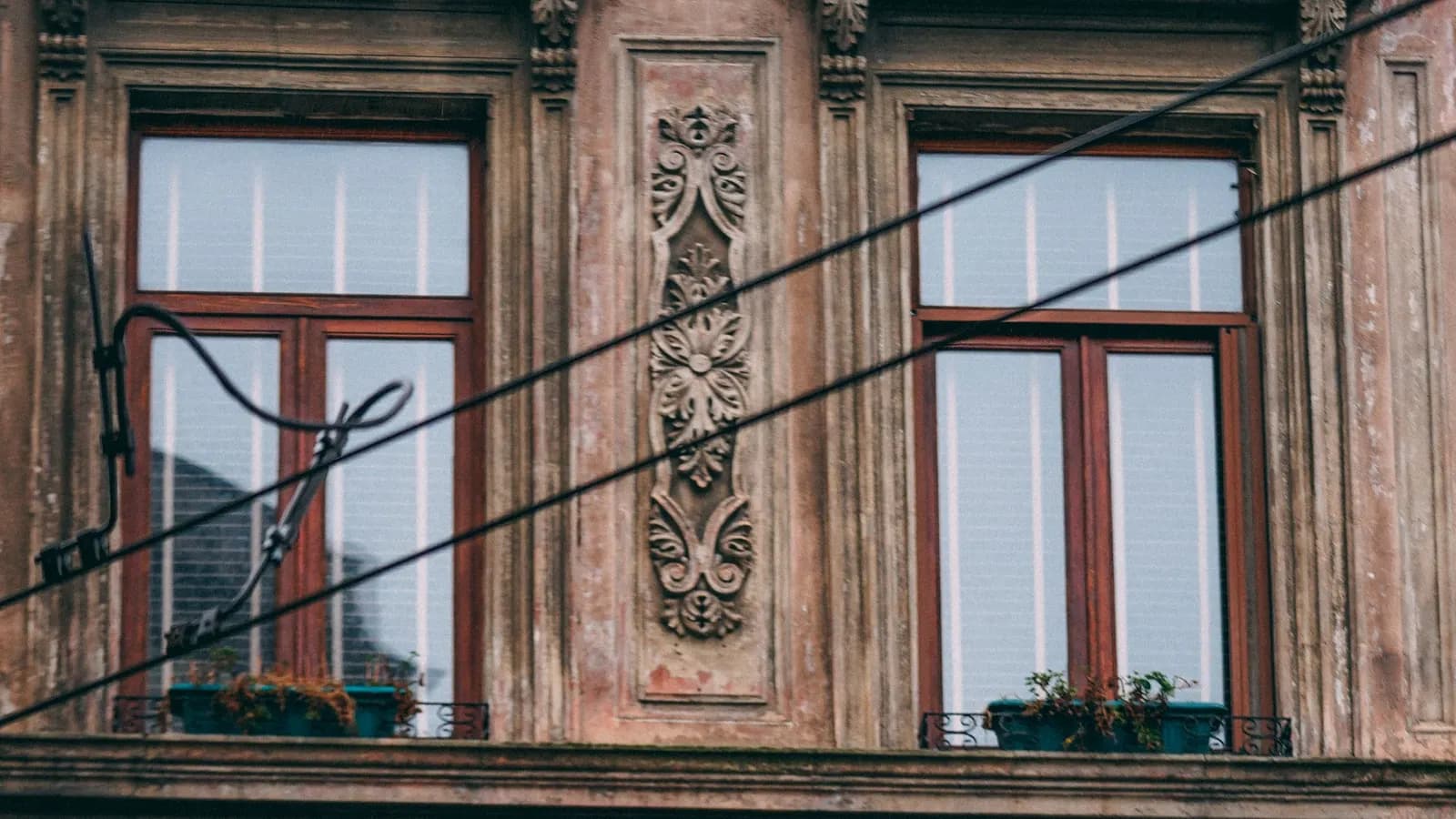
Photo: Chris Whippet / Wikimedia Commons, CC BY-SA 2.0

Fixed fee, in writing
Tell us about your project
Send the postcode and what you want to build, and add photos or old plans if you have them. We reply with the fee in writing and the payment stages set out in full.
What Lambeth Council asks of a heritage statement
From the council's Local Information Requirements (the Local List) 2024, item 69: Statement of Heritage Significance (adopted 2024 edition, published December 2025, read 29 October 2026).
- Lambeth asks for a Statement of Heritage Significance with all planning and listed building consent applications that could affect a designated or undesignated heritage asset or its setting, under Local Plan Policies Q5 and Q19 to Q23. (source, checked 29 October 2026)
- Non-designated heritage assets include locally listed buildings and spaces, and Archaeological Priority Areas, as well as the designated ones such as conservation areas and listed buildings. (source, checked 29 October 2026)
- The statement should always include an assessment of significance, an assessment of impact, and a mitigation strategy, which might include changes of method, materials or design, or investigation and recording. (source, checked 29 October 2026)
- A statement of justification is required if the works would cause any harm or loss of significance to a designated heritage asset or its setting, and all heritage statements should refer to the Greater London Historic Environment Register. (source, checked 29 October 2026)
What Lambeth heritage statement drawings have to show
A Lambeth statement follows the council's own four parts: what is significant, what the works do to it, how the design reduces that effect, and, if any harm remains to a listed building or conservation area, why it is justified. We start from the Greater London Historic Environment Register entry for the site, as the list asks.
Locally listed buildings and Archaeological Priority Areas count here even though they are not designated, so a rear extension next to a locally listed villa, or digging in an APA, brings the statement into play. We check the Lambeth Policies Map for both before quoting.
Lambeth: 595 householder decisions
What it costs in Lambeth
- Heritage statement: from £565.
Heritage statement across London · Lambeth planning rules · every price
Heritage statement · Lambeth
What happens next in Lambeth
We read the listing or conservation area appraisal, assess what is significant and what the works do to it, and write the statement the council validation list asks for.
Answers
Lambeth heritage statement questions
What must a Lambeth heritage statement include?
Does a locally listed building in Lambeth need a heritage statement?
Start with £150
Your fixed fee is already on this page.
Tell us the postcode and what you want to build. We confirm the fee in writing and book the survey.