A regularisation certificate for work already built costs from £615 drawings + £150 survey (£765 total) in drawings and survey from us, plus the regularisation charge your council makes for checking the work. The second figure is theirs to set, so we cannot quote it, but we tell you how to ask and what to expect.
On this page
The usual story is a sale. The buyer's solicitor asks for the completion certificate for the loft or the extension, the owner has none, and the sale stalls. Regularisation is the route that gets a certificate for work that never had inspections.
What is regularisation, in plain words?
It is a way to ask the council to look at work that was built without building regulations approval and, if satisfied, to certify it. Regulation 18 of the Building Regulations 2010 covers unauthorised work carried out on or after 11 November 1985, and the owner applies in writing (regulation 18).
The application must say it is made under that regulation, describe the work and include plans of it where reasonably practicable. That last phrase explains why a survey comes first: the council cannot judge a loft it has only seen photographed from the garden.
What does it cost?
Three layers, and only the first is ours:
- Our fee: from £615 drawings + £150 survey (£765 total), for the measured survey of the work as built, the drawings and the specification that go to the council.
- The council's regularisation charge. It is set by the authority, and the charge is paid to them. Ask your borough's building control for its current figure before you commit.
- Opening up and corrections. The council may require reasonable steps such as opening up work, testing it or taking samples (regulation 18), and if the work falls short it will say what must be added. A builder's day is a real cost, and it is the one most owners underestimate.
The honest answer to "will it pass?" is that nobody knows until the officer has seen the structure. We tell you where the risk lies before you apply: the steel beam with no calculation, the loft stairs with no fire-resisting construction, the insulation behind the plasterboard.
What can the council ask for?
After its inspection the council must tell you one of three things: what work is needed to comply, that it cannot decide what is needed, or that nothing more is needed (regulation 18). If you carry out the extra work and it is satisfied, it may issue the certificate.
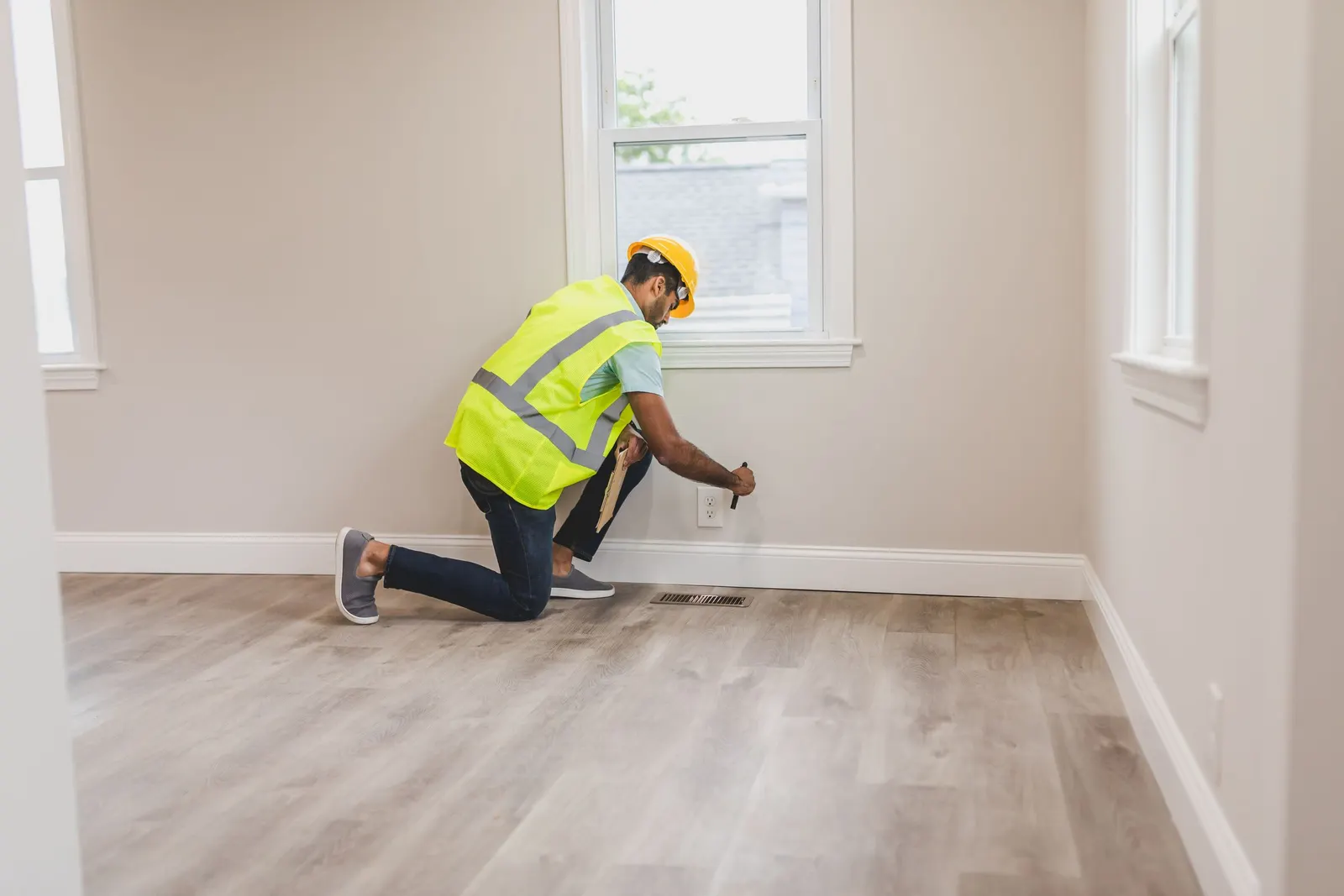
Hidden work is where regularisation gets expensive. Electrics, drainage and the structure above a ceiling cannot be judged by looking, so officers ask to see inside or for a test report. Ask your electrician for an electrical installation condition report before the visit, and your builder for any invoice that names the beam supplier.
Is regularisation always worth doing?
Not always, which is why the first conversation matters. Compare the options:
| Situation | Usual route |
|---|---|
| Work is unapproved, you plan to sell or remortgage | Regularisation certificate |
| Work is finished, no sale planned, no complaint | Council may never ask, but the exposure remains for ten years |
| Council has served a notice to remove the work | Regularisation, plus advice from a building control specialist |
| Work was done by a registered competent person | Check first: a completion certificate may already exist |
The exposure in row two is real. A local authority can serve a notice requiring non-compliant work to be removed or altered up to ten years after completion, and if you do not act within 28 days it can do the work itself and recover the cost (Building Act 1984, section 36). GOV.UK also warns that the person doing the work could be prosecuted and fined (GOV.UK). For most owners the easier moment to regularise is before a sale, not after a solicitor's letter.
Does regularisation also fix planning?
No. Planning permission and building regulations are separate approvals, and a regularisation certificate says nothing about the first. If the extension or loft also needed planning permission that you never obtained, read our retrospective planning cost post. Where the work is old enough, a certificate of lawfulness may cover the planning side instead.
For work not yet built, you want the ordinary route, where nothing is hidden before the inspector sees it: see what building regulations drawings cost.
Frequently asked questions
Can I regularise work done before 1985? Regulation 18 covers work carried out on or after 11 November 1985. Older work falls outside it, and the council cannot issue this type of certificate. Ask building control what it would accept as evidence for a sale.
Does the certificate guarantee the work is compliant? No. The regulation says the certificate is evidence of compliance but not conclusive evidence. It is still the document solicitors and lenders accept in place of a completion certificate.
Do I need structural calculations? If the work includes a new opening in a load-bearing wall or a new loft floor, probably yes. The council will not certify steel it cannot size. Our structural calculations service is priced separately, and our Part A guide lists the cases.
Can I use a private approver instead of the council? Regulation 18 is a power of the relevant authority, which for an ordinary house is your council, so ask its building control team first. A private approver is a choice for new work, not a substitute for this step.